Fungus gnats in plants – what are they, and how do you get rid of them?
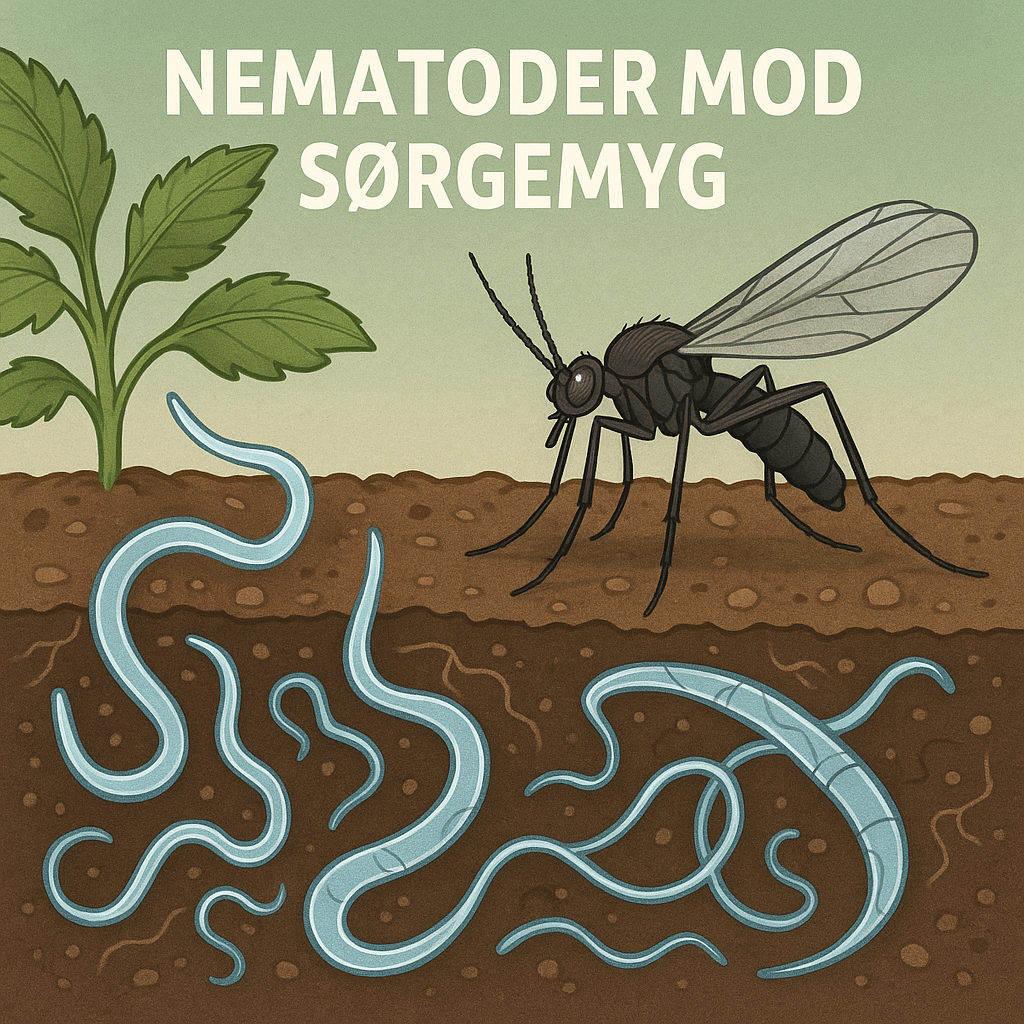
Fungus gnats are small black flies that often appear in potted plants. If you notice small flies in your plants, it is almost always fungus gnats. They can be annoying in the home, but it is primarily their larvae in the soil that can damage the plants and stunt their growth.
Fungus gnats thrive in moist potting soil, and the problem often arises in connection with overwatering. Therefore, it is important to understand both why they appear and how to effectively combat them.
What are fungus gnats?
Fungus gnats are small, dark flies that live and breed in potting soil. The adult gnats fly around the plant, while their larvae live in the soil, feeding on organic matter and fine roots.
It is mainly the larvae that create problems, as they can:
- Damage the plant's root system
- Stunt growth
- Cause yellow or weakened leaves
Fungus gnats are often confused with fruit flies, but unlike fruit flies, fungus gnats stay near the plants and the soil.
Why do you get fungus gnats in plants?
Fungus gnats almost always appear in moist soil. They love environments where the soil does not get a chance to dry out between waterings.
The most common causes are:- Overwatering
- Constantly moist potting soil
- Dense soil with a lot of organic matter
- New plants or soil containing eggs
If the soil is too wet for a long period, it creates the perfect conditions for fungus gnats.
How to get rid of fungus gnats
To effectively get rid of fungus gnats, it is important to combine several methods. This involves both changing the conditions in the soil and actively combating both larvae and adult gnats.
The first step is always to reduce the moisture in the soil. Ensure that the top layer of soil dries out between waterings, and avoid overwatering your plants. Good drainage in the pot makes a big difference – and here you may want to consider switching to mineral soil, which provides a more airy and well-drained environment where fungus gnats have a very hard time thriving.
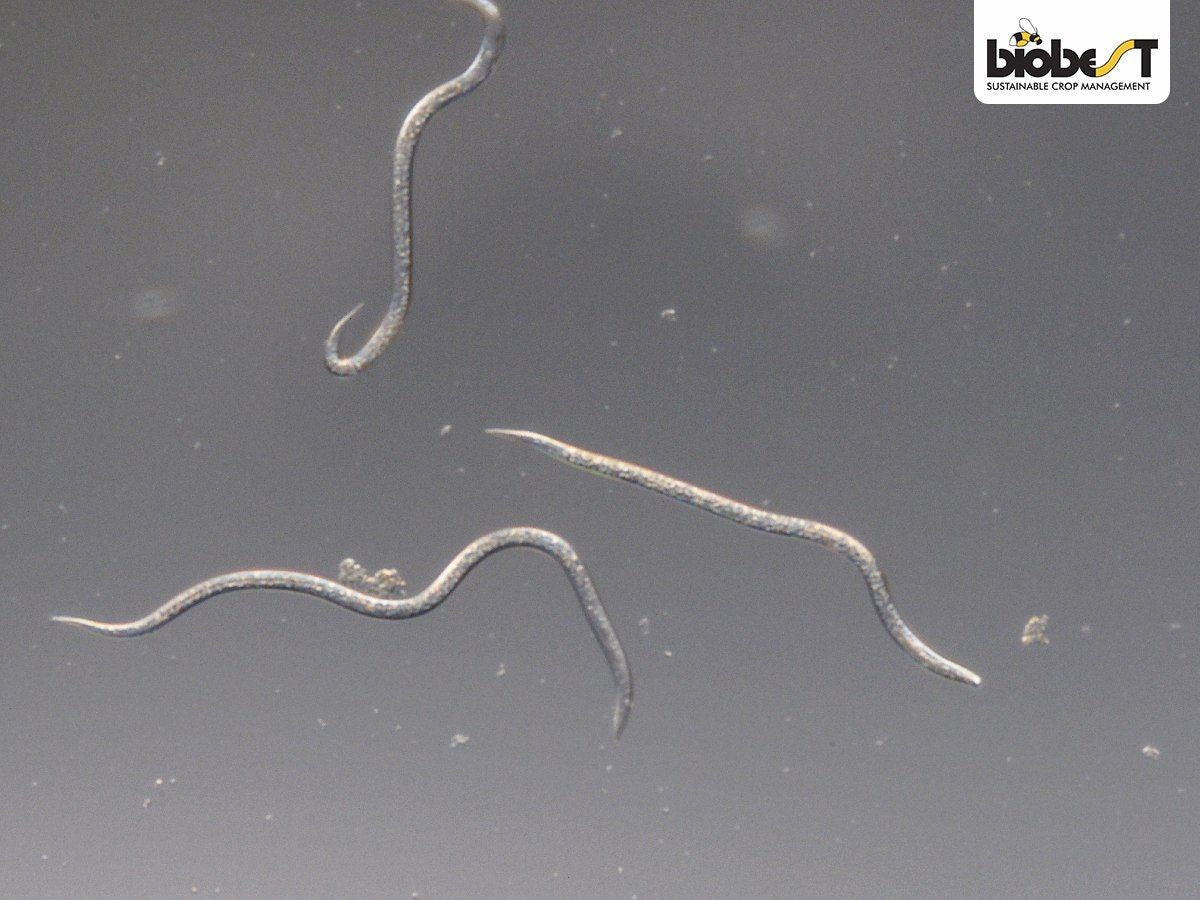
For effective and targeted control of the larvae, nematodes for fungus gnats are recommended. Nematodes are microscopic beneficial organisms that actively seek out and combat the larvae in the soil, thereby breaking the life cycle where the problem starts. It is a gentle and effective control method that we also use ourselves.

At the same time, you can catch the adult fungus gnats with yellow sticky traps, which attract them and prevent them from laying new eggs. The combination of nematodes and sticky traps is one of the most effective solutions for major infestations!
Another effective and natural remedy is Neem oil. When mixed with water and watered into the soil, it helps combat the larvae and disrupt their development. For severe infestations, it may be necessary to repeat the treatment. Please note that you cannot combine neem oil with beneficial organisms.
You can also make the soil surface less attractive to fungus gnats. A top layer of pumice or other mineral material helps keep the surface dry and makes it harder for fungus gnats to lay eggs. It is also quite decorative.
Some also use carnivorous plants as part of the solution. They can catch some of the adult fungus gnats, but they do not solve the problem alone and should be seen as a supplement to the other methods. Good species for this purpose are, for example, Drosera capensis, Drosera capensis ‘alba’, Drosera aliciae and Drosera binata.
In short:
The most effective control of fungus gnats is achieved by combining good cultivation practices with targeted solutions such as nematodes, sticky traps, and well-drained (preferably mineral) soil.
How to prevent fungus gnats
The best way to avoid fungus gnats in plants is to prevent them.
You can reduce the risk by:
- Avoiding overwatering
- Letting the soil dry out slightly between waterings
- Using well-draining soil
- Removing dead plant material
- Covering the soil surface with, for example, pumice
When the soil is not constantly moist, it becomes difficult for fungus gnats to establish themselves.
In short
Fungus gnats in plants are a common problem, but it can be solved. By combining correct watering, better soil conditions, and targeted control, you can quickly gain control over the problem and ensure healthy plants.