
Collection: Palms
Palms are among the most iconic plants you can have in your home. With their distinctive leaves and calm, architectural expression, they add a special atmosphere often associated with warmth, light, and tropical surroundings.
Many search for “palm” when looking for plants with an exotic look, and in that context, the term is often used broadly. Here, however, you will find true palms – selected with a focus on quality and their ability to function in practice in a Danish home or garden.
We have worked with exotic plants for many years and have built up extensive experience with different types of palms. We have therefore put together a selection focusing on plants that not only look great, but also have good conditions for thriving in the environment typically found indoors or in a Danish garden.
-
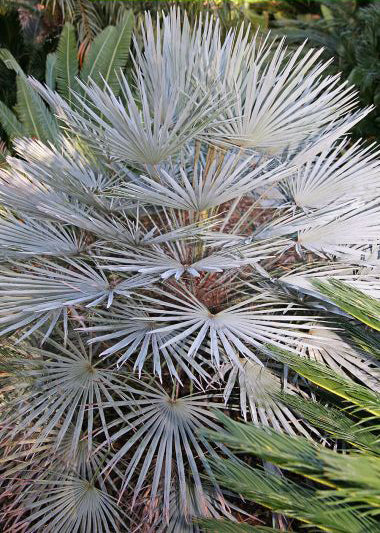
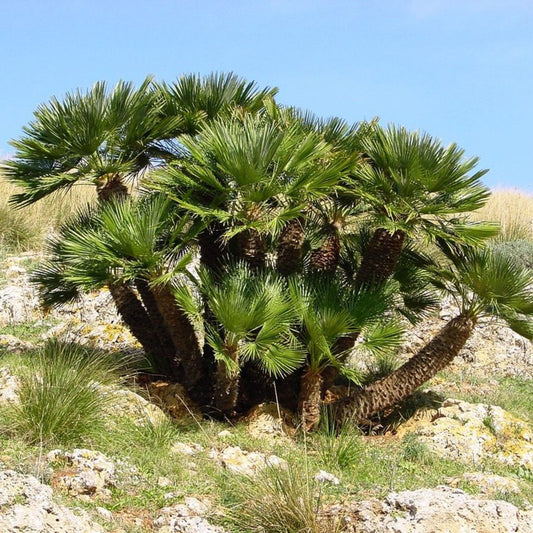
Blue Mediterranean fan palm (Chamaerops humilis "var. cerifera") | plant
Regular price From €16,95 EURRegular price -
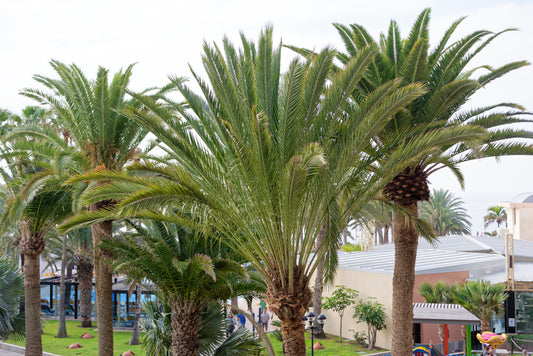
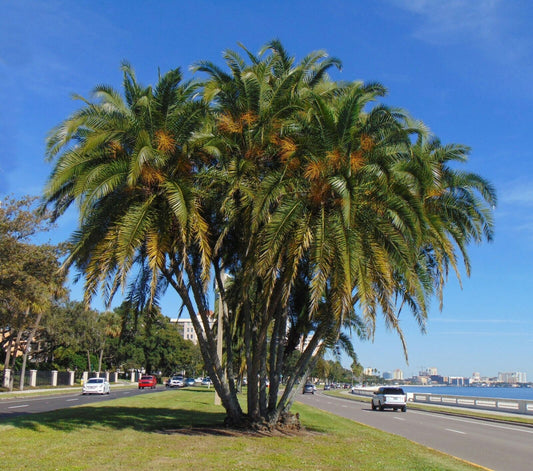
Canary Island date palm (Phoenix canariensis) | plant
Regular price €10,95 EURRegular price -
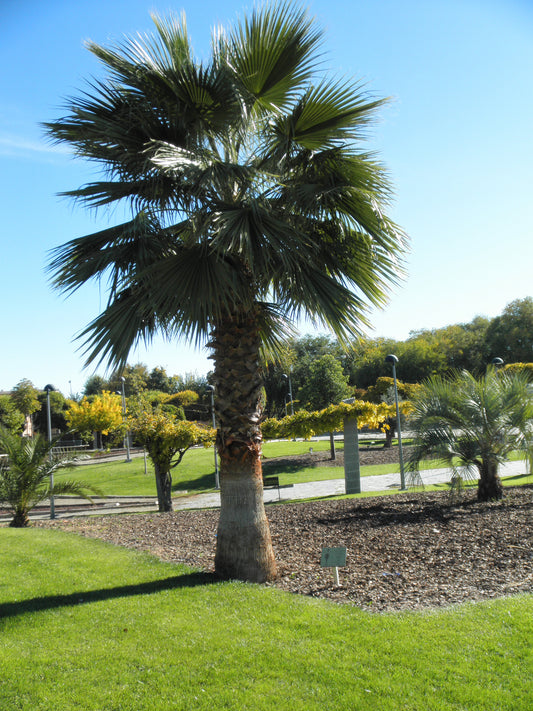
Mexican fan palm (Washingtonia robusta) | plant
Regular price €10,95 EURRegular price
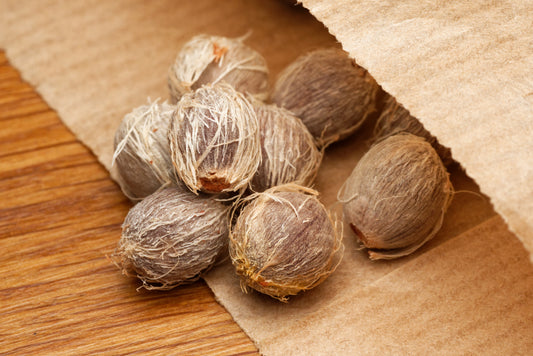
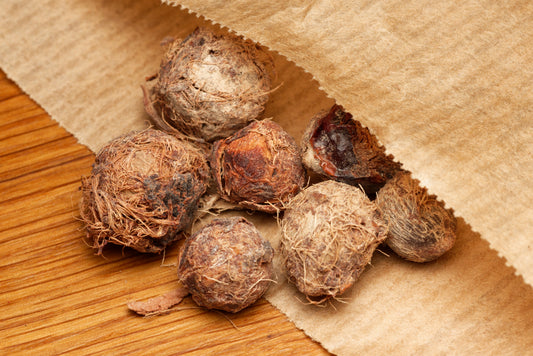
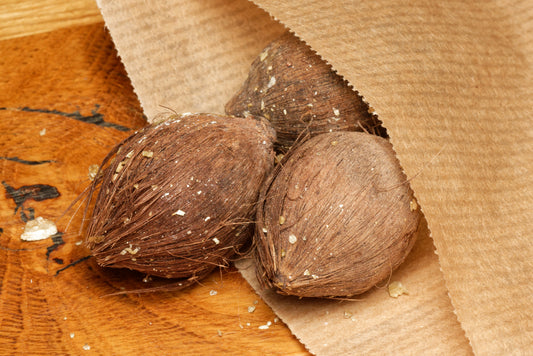
Palm seed
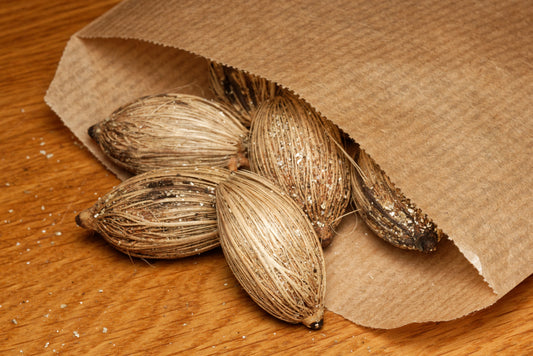
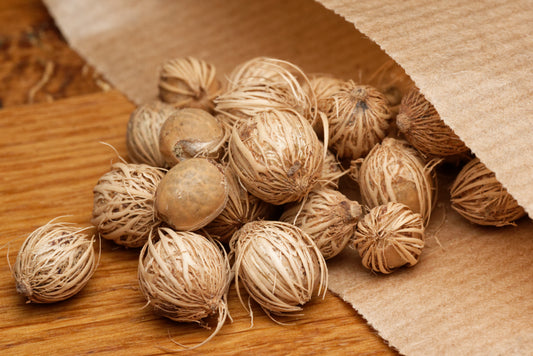
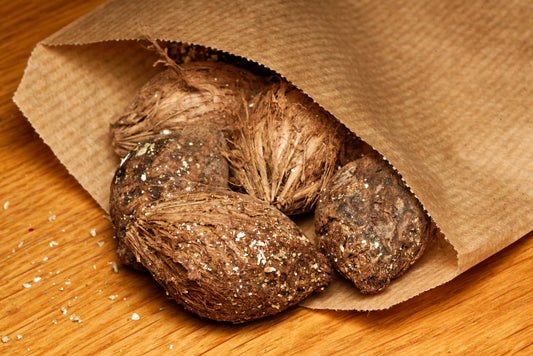
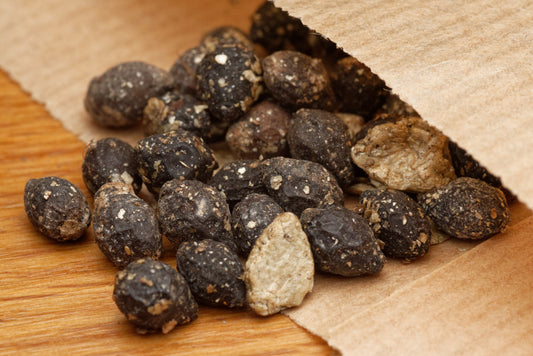
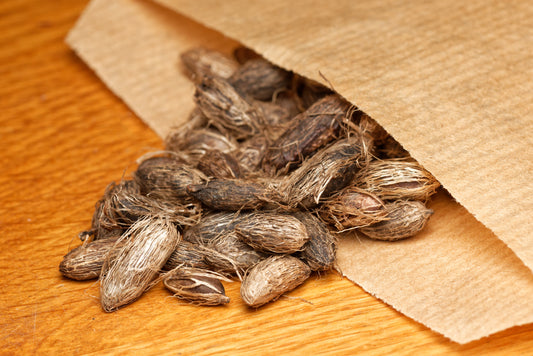
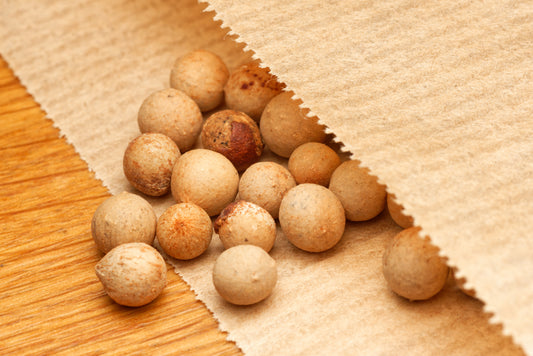
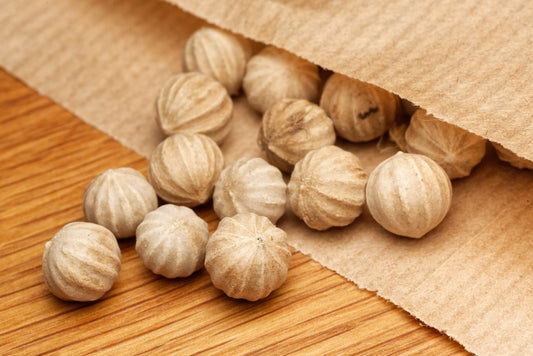
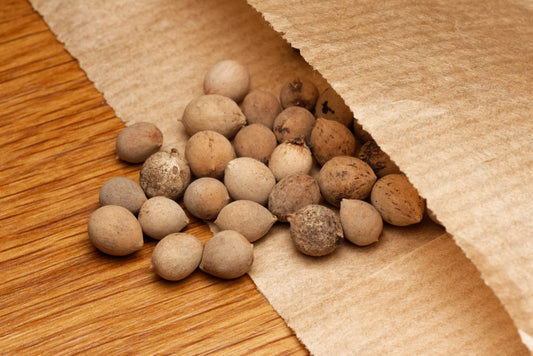
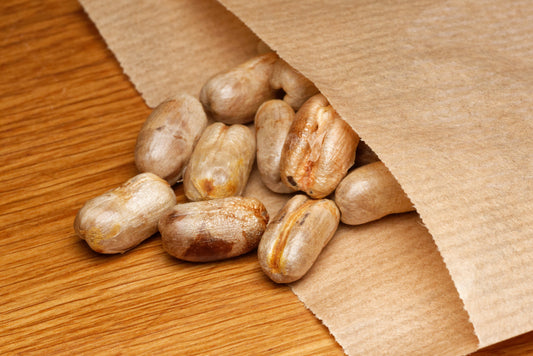
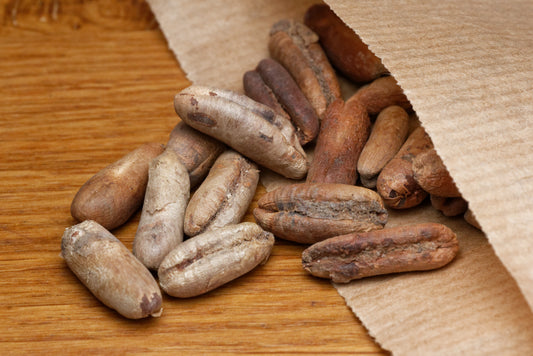
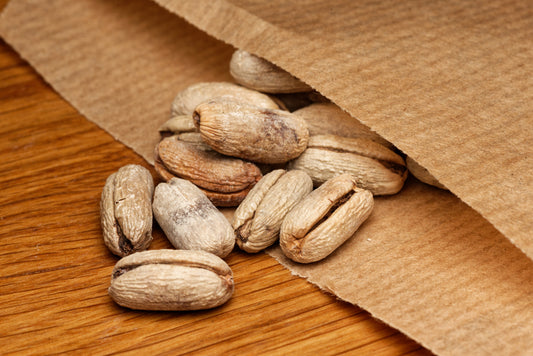
We love palms! Their tropical, majestic appearance reminds us of warmer climes. Palms are also unique in that the vast majority of species can only be propagated and grown from seed. That is why we have put a lot of effort into building a large and exciting collection of palm seeds.
- We have also created this guide to germinating palm seeds
-
Christmas Palm (Adonidia merrillii) | seeds, 5 pcs.
Regular price €6,95 EURRegular price -
Alexandra palm (Archontophoenix alexandrae) | seeds, 10 pcs.
Regular price €4,95 EURRegular price€0,00 EURSale price €4,95 EUR -
High Plateau Coconut Palm (Beccariophoenix alfredii) | seeds, 6 pcs.
Regular price €9,95 EURRegular price -
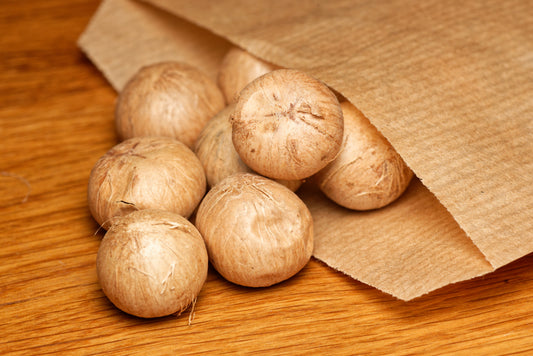
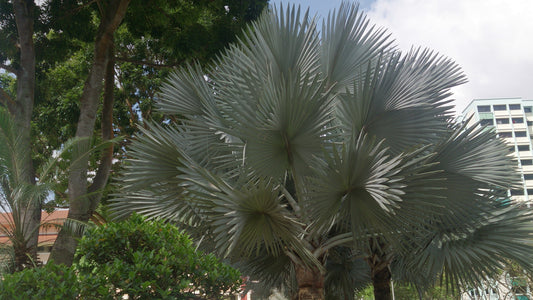
Bismarck palm (Bismarckia nobilis "Silver") | seeds, 3 pcs.
Regular price €8,95 EURRegular price -
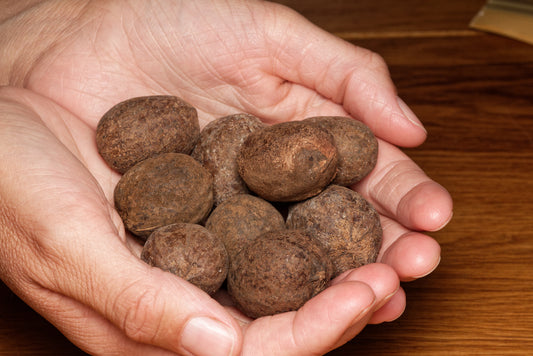
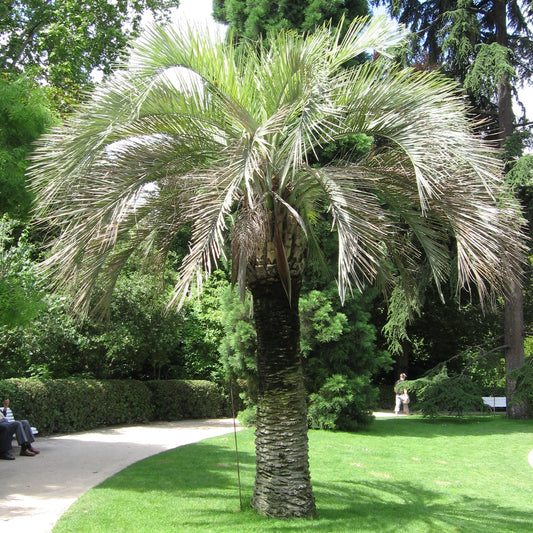
Jelly Palm (Butia odorata) | seeds, 10 pcs.
Regular price €6,95 EURRegular price -
Hardy parlor palm (Chamaedorea radicalis) | seeds, 10 pcs.
Regular price €4,95 EURRegular price -
Parlor Palm (Chamaedorea tepejilote) | seeds, 10 pcs.
Regular price €2,95 EURRegular price€4,95 EURSale price €2,95 EURSale -
European fan palm (Chamaerops humilis) | seeds, 10 pcs.
Regular price €6,95 EURRegular price€8,95 EURSale price €6,95 EURSale -
Blue Mediterranean Fan Palm (Chamaerops humilis var. cerifera) | seeds, 6 pcs.
Regular price €7,95 EURRegular price -
Houailou Red-leaf Palm (Chambeyronia houailouensis) | seeds, 2 pcs.
Regular price €27,95 EURRegular price -
Blush Palm (Chambeyronia macrocarpa) | seeds, 2 pcs.
Regular price €27,95 EURRegular price -
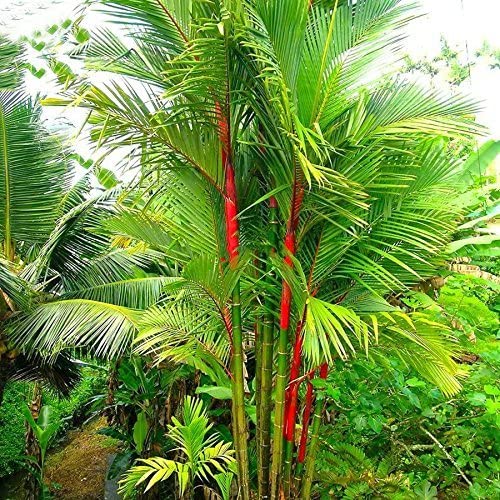
Lipstick Palm (Cyrtostachys renda) | seeds, 10 pcs.
Regular price €4,95 EURRegular price -
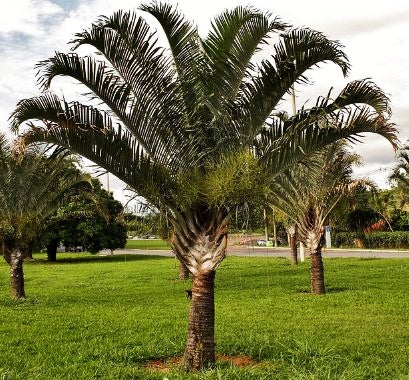
Triangle Palm (Dypsis decaryi) | seeds, 5 pcs.
Regular price €7,95 EURRegular price -
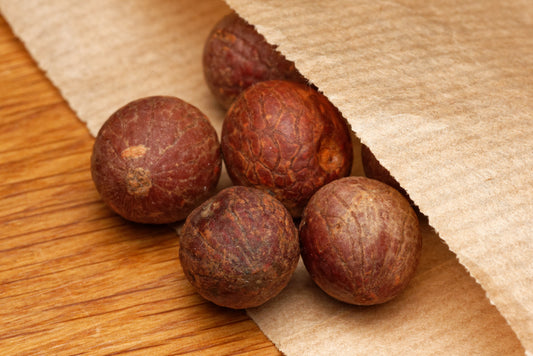
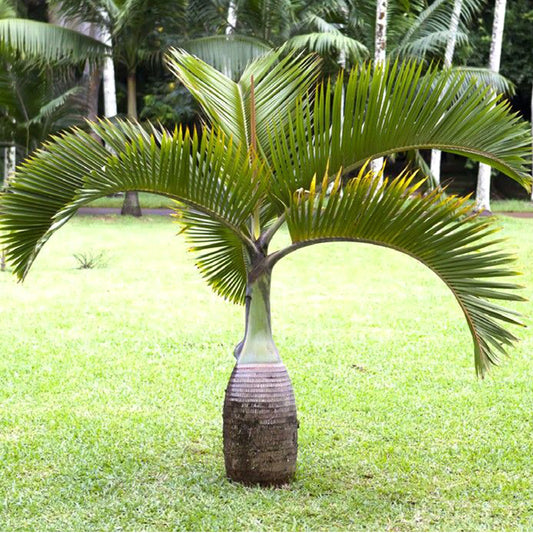
Bottle palm (Hyophorbe lagenicaulis) | seeds, 10 pcs.
Regular price €7,95 EURRegular price -
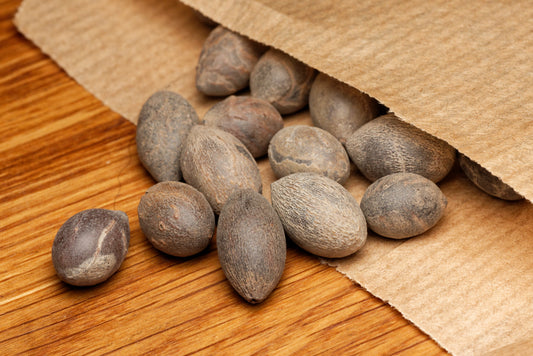
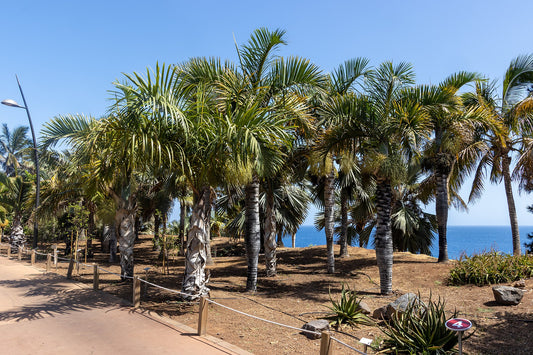
Spindle palm (Hyophorbe verschaffeltii) | seeds, 10 pcs.
Regular price €4,95 EURRegular price€5,95 EURSale price €4,95 EURSale -
Golden Licuala palm (Licuala aurantiaca) | seeds, 10 pcs.
Regular price €5,95 EURRegular price -
Ruffled Fan Palm (Licuala grandis) | seeds, 10 pcs.
Regular price €6,95 EURRegular price -
Mangrove fan palm (Licuala spinosa) | seeds, 10 pcs.
Regular price €4,95 EURRegular price€4,95 EURSale price €4,95 EUR -
Mazari Palm (Nannorrhops ritchieana) | seeds, 10 pcs.
Regular price €6,95 EURRegular price -
South American traveler's tree (Phenakospermum guyannense) | seeds, 5 pcs.
Regular price €7,95 EURRegular price -
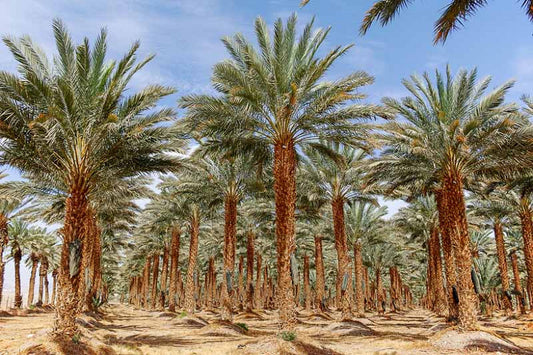
Canary Island date palm (Phoenix canariensis) | seeds, 10 pcs.
Regular price €3,95 EURRegular price€4,95 EURSale price €3,95 EURSale -
Date palm (Phoenix dactylifera) | seeds, 10 pcs.
Regular price €3,95 EURRegular price -
Senegal date palm (Phoenix reclinata) | seeds, 10 pcs.
Regular price €4,95 EURRegular price€5,95 EURSale price €4,95 EURSale -
Pygmy date palm (Phoenix roebelenii) | seeds, 10 pcs.
Regular price €4,95 EURRegular price€4,95 EURSale price €4,95 EUR -
Cliff date palm (Phoenix rupicola) | seeds, 10 pcs.
Regular price €6,95 EURRegular price

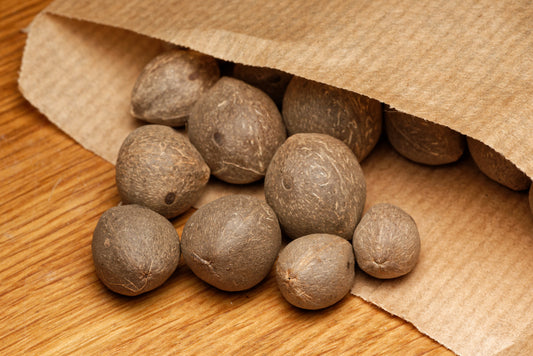

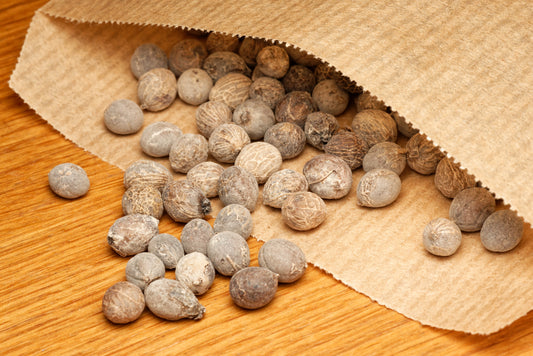
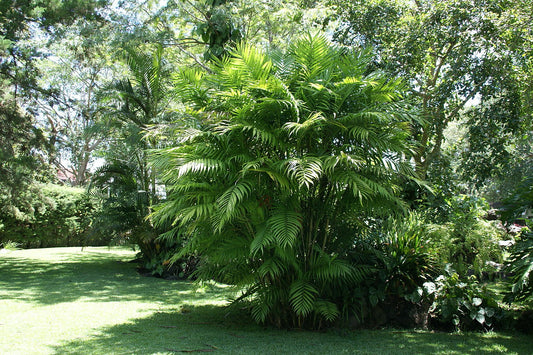
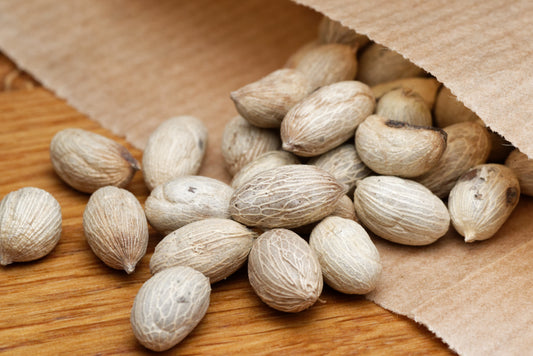



What is a palm tree?
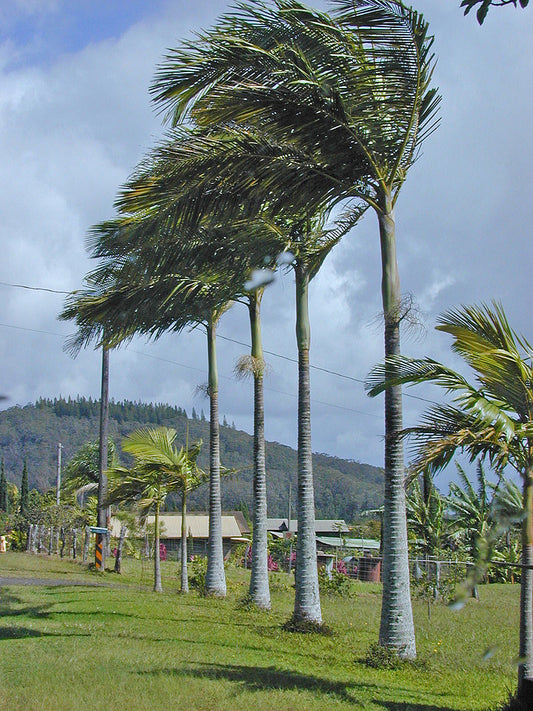
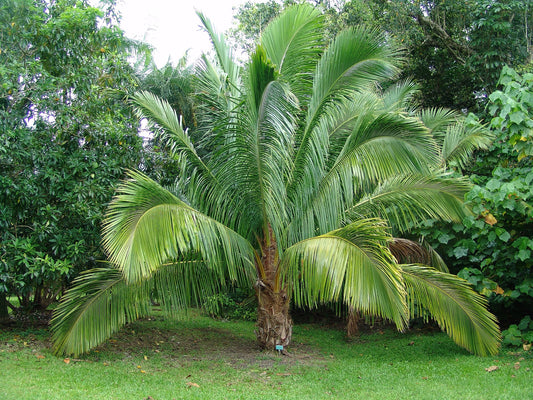
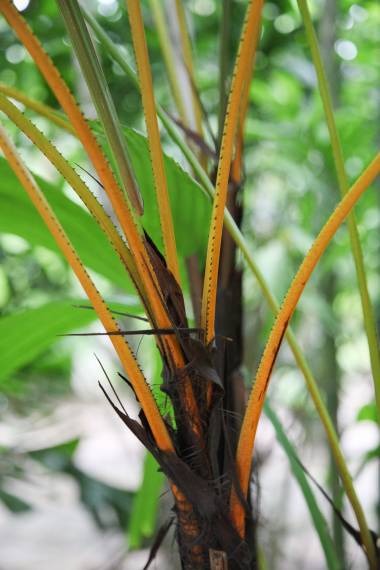
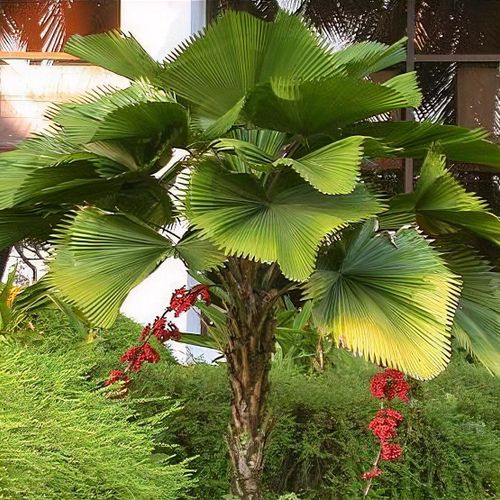
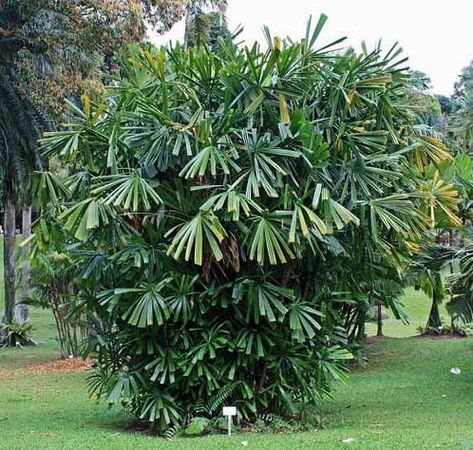
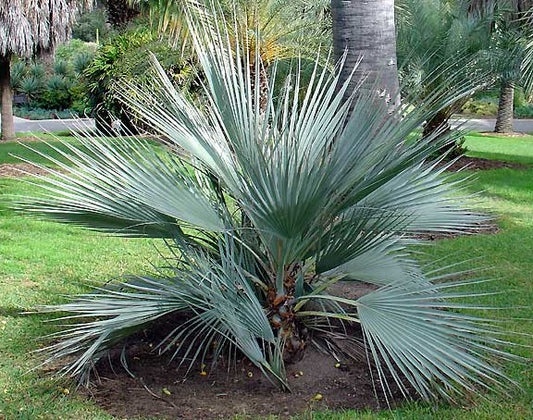
Palms cover a large plant family with many different species, which vary in both size, appearance, and growth habit. Common to them all are their characteristic leaves, which can be either fan-shaped or pinnate, and their often calm and upright growth.
Some palms grow large over time, while others remain more compact and are well-suited as houseplants. This makes it possible to find palms that fit both smaller homes and larger rooms.
-
Palms as green eye-catchers in the home
Palm seedPalms are popular because they create a calm and green aesthetic that fits into many types of interior design. They work well as larger floor plants, but are also available in smaller varieties.
At the same time, they are often more understated in their appearance than many other exotic plants. While some plants are very eye-catching, palms contribute more to the structure, volume, and natural balance of a room.
A curiosity about palms is that they can usually only be propagated by seeds. -
Care of palm trees
Many are in doubt as to whether palms are difficult to care for, but most are relatively simple once they are given the right conditions.
The most important things are:- A bright location, preferably with indirect sunlight
- Regular watering without the soil becoming waterlogged
- Well-drained soil that does not retain too much moisture
Palms generally grow more slowly than many other tropical plants, which also means they do not require constant care. The biggest challenge is often overwatering, so it is important to find a good balance. Once that works, palms are stable plants that can thrive for many years – even indoors.
Buy palm trees online
When you buy palms from a Piece of Nature, you get access to a selection curated based on many years of experience with exotic plants. We know it can be difficult to choose the right plant, which is why we focus on making it easy to find a palm that fits your needs.
Palms are an obvious choice for those who want a plant with a calm and exotic expression. They add structure and life to the room and are also a good choice if you would like something green that does not require constant attention.
Frequently asked questions about palms
Are palm trees difficult to care for?
Most palms are not difficult to care for when given the right conditions. The biggest challenge is often overwatering. With a bright location, regular watering, and well-draining soil, palms are generally stable and rewarding plants.
Can palm trees stay indoors all year round?
Yes, many palms are well-suited to being kept indoors all year round. They thrive best in a bright spot without too much direct, harsh sunlight. Some can benefit from being moved outside during the summer months, but it is not a requirement.
How much light does a palm tree need?
Palms thrive best with plenty of indirect light. Most can tolerate some direct sun, but it depends on the variety. Too little light will often result in slower growth and weaker leaves. Too much sun can cause the leaves to become scorched and brown
How often should you water a palm tree?
Palms should be watered evenly, keeping the soil slightly moist but not wet. It is important to let the soil dry out a little between waterings. The frequency depends on light, temperature, and season. Generally, less water is needed in winter.
Which palm is best as a houseplant?
It depends on the space and light conditions, but generally it is an advantage to choose a palm that thrives in indoor environments and does not grow too quickly. Smaller or slow-growing palms are often a good choice for the living room, as they are easier to maintain over time.
Are there any palm trees that can stay outside all year round?
Yes, there are actually some palm trees that can withstand frost and thus the Danish winter. We have created a category specifically for these species here. Generally, however, it is a good idea to provide a bit of winter protection.