a Piece of Nature
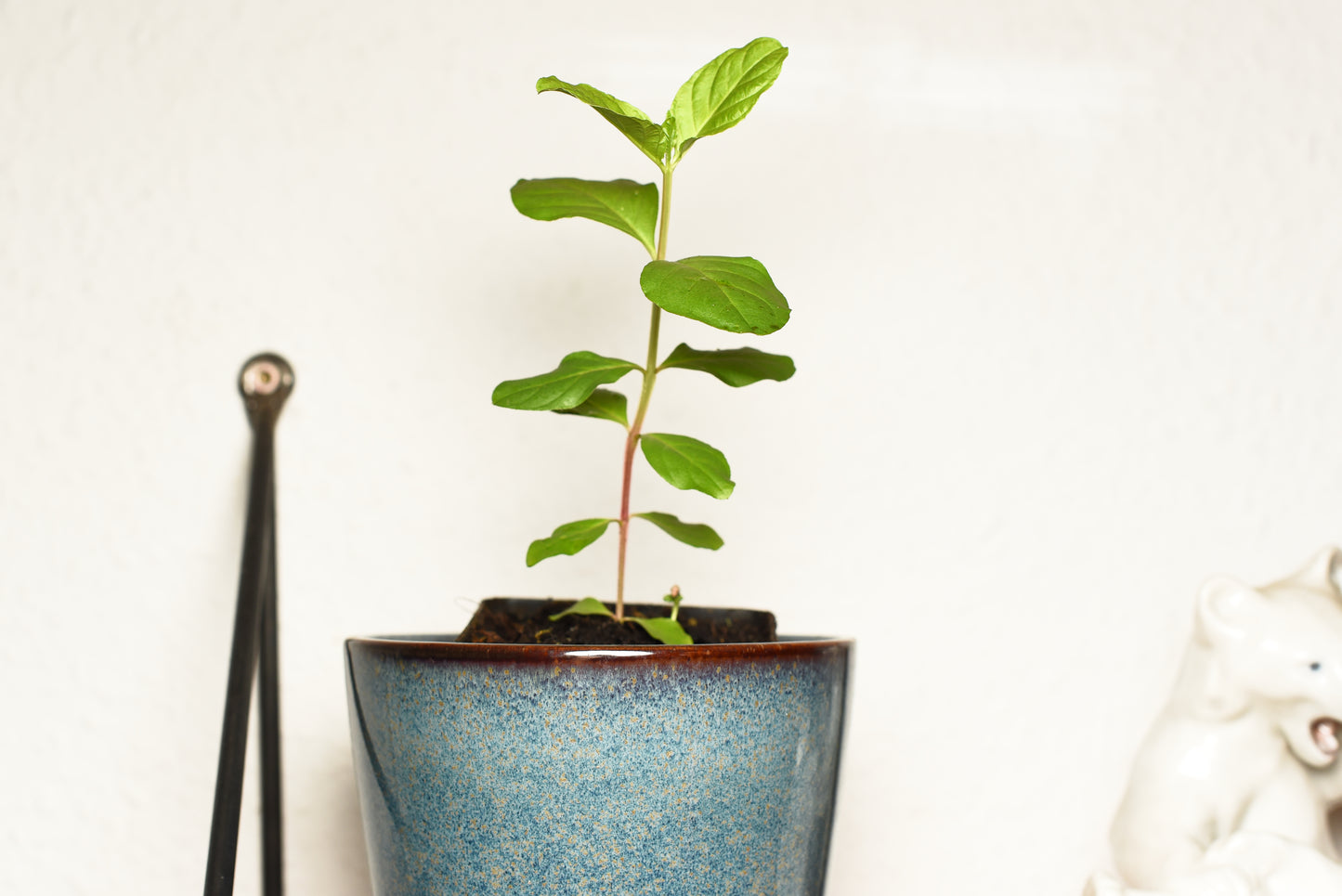
Guava (Psidium guajava) | plant
Guava (Psidium guajava) | plant
Couldn't load pickup availability
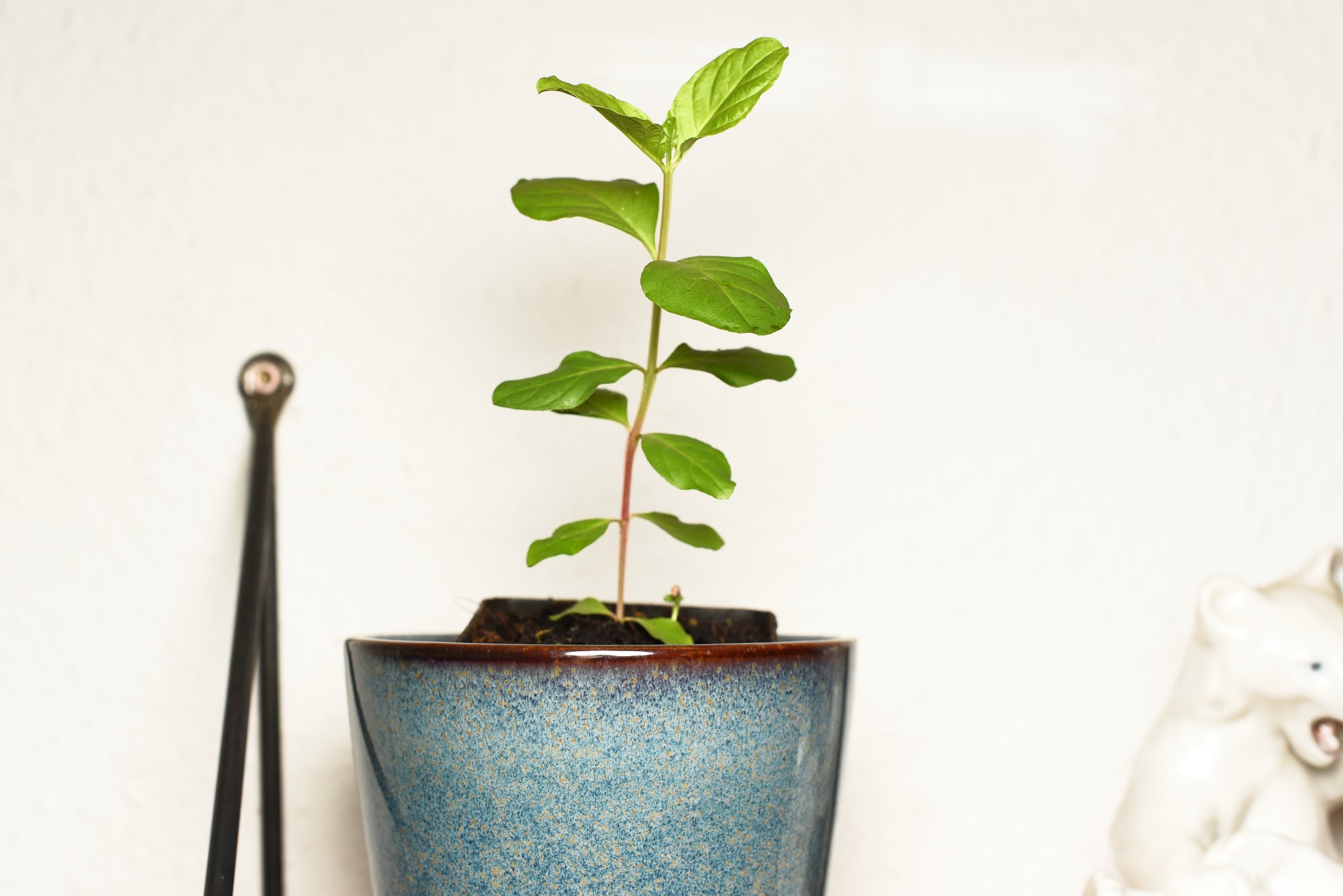
RARE SEED-GROWN PLANT
- Latin name: Psidium guajava
-
Danish names: Guava
-
English names: Common guava, yellow guava, lemon guava, apple guava
Psidium guajava, better known as guava, is a tropical fruit tree from Central America, now cultivated in large parts of the world for its delicious, aromatic fruits. Guava is beloved for its sweet, exotic flavor and high vitamin C content, and the fruit is used fresh as well as in juices, jams, and desserts.
Appearance and growth
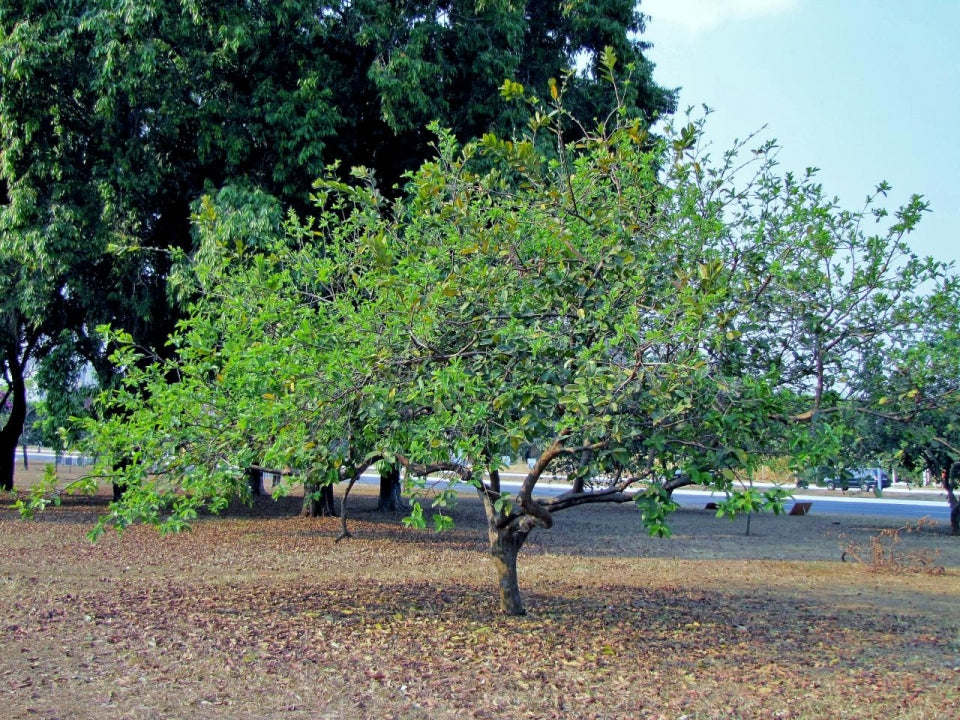
The guava is a small, evergreen tree or large shrub that typically reaches a height of 2–4 meters in cultivation. It has light green, oval leaves and beautiful, smooth bark that peels in light tones. In the summer, the plant produces fragrant white flowers with numerous stamens, which are followed by round to oval fruits.
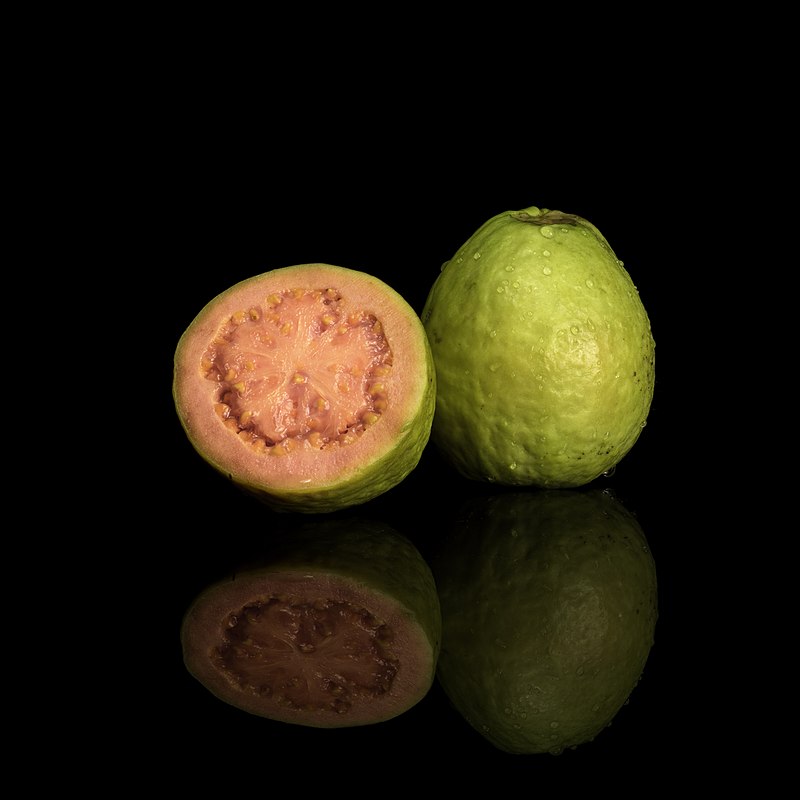
The fruits ripen from green to yellow and have juicy, pink or white flesh filled with small edible seeds. The flavor is sweet, aromatic, and slightly tart – a classic in tropical fruit markets worldwide.
Usage
Guava is a versatile fruit that can be eaten fresh, pressed into juice, or used in compotes, ice cream, and baked goods. The fruit is highly nutritious, with a high content of vitamin C, antioxidants, and dietary fiber. In many tropical countries, the leaves are also used in tea and herbal medicine.
Cultivation and care
- Light: Requires full sun to flower and set fruit.
- Temperature: Thrives at 20–35 °C and does not tolerate frost.
- Soil: Well-drained, nutrient-rich soil with a slightly acidic to neutral pH.
- Watering: Keep the soil evenly moist during the growing season – avoid waterlogging.
- Fertilizer: Fertilize regularly with a balanced fruit tree fertilizer during the growing season.
- Pruning: Can be pruned to maintain a compact shape and encourage branching.
- Placement: In Denmark, Psidium guajava is best grown in a greenhouse, conservatory, or large pots that can be moved indoors during the winter months.
Note
Guava seeds quickly lose their viability, which is why seedlings are rarely offered. This species is an obvious choice for exotic fruit enthusiasts who want to grow their own fragrant and vitamin-rich guava fruits – a beautiful, useful, and tropical plant that thrives surprisingly well in a pot.
Note: The images are intended as examples of the plant and do not necessarily represent the exact plant being purchased.
Childcare
Childcare
Size
Size
6 meters
Difficulty level
Difficulty level
Between
Note
Note
Exclusive pot

ALSO REMEMBER
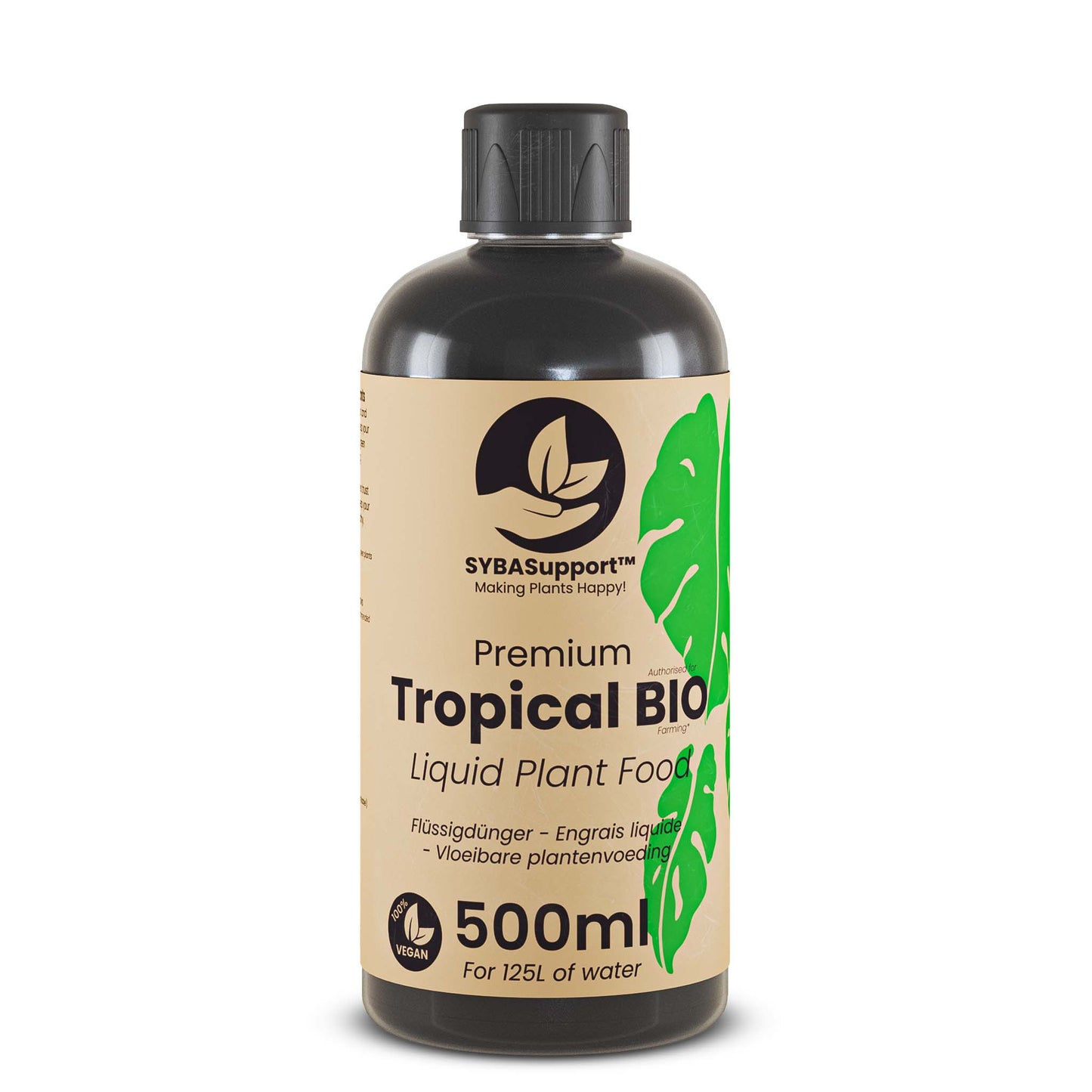
Organic fertilizer (Tropical) | 500 ml
Del