


Borregaard
Green lacewing larvae (500 pcs.) | against aphids etc.
Green lacewing larvae (500 pcs.) | against aphids etc.
Couldn't load pickup availability
Lacewing larvae (Chrysoperla carnea) – Effective natural aphid control
- FREE SHIPPING!
⚠️ Note: Beneficial insects are only shipped once a week (Tuesday). Order by Monday at 8:00 AM – and remember to pick up the package immediately upon arrival.
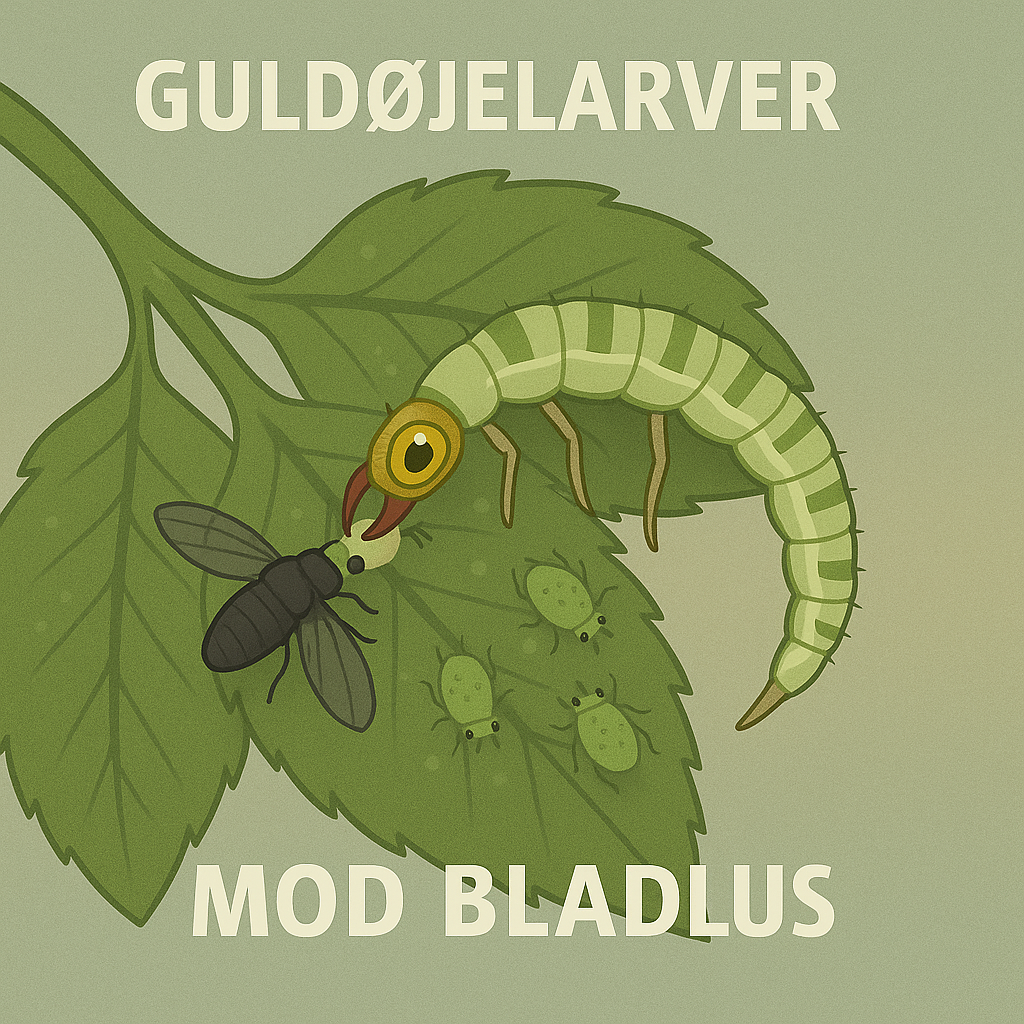
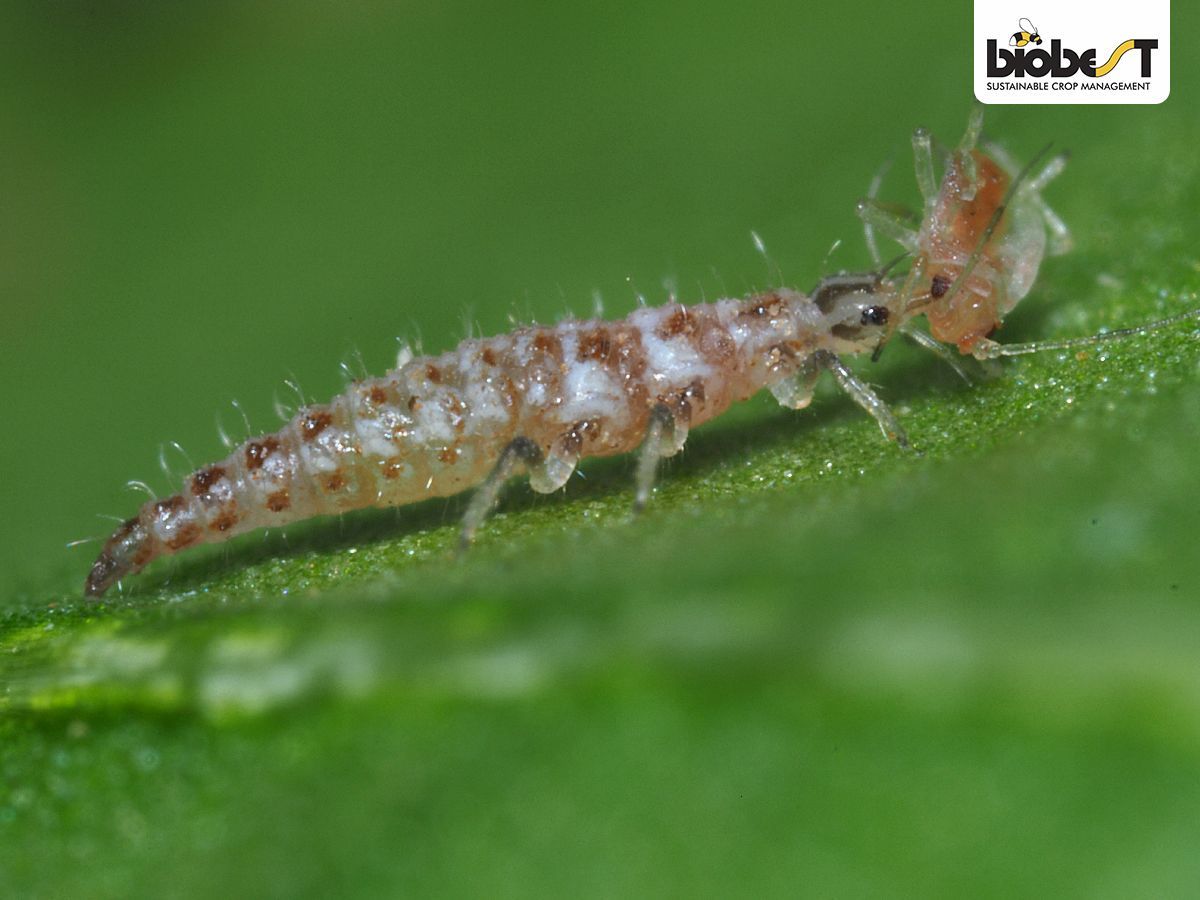
Get rid of aphids and other pests naturally with lacewing larvae – small, but extremely voracious predators. A single larva can consume up to 600 aphids during its lifetime and also takes care of spider mites, thrips, and mealybugs if they appear.
The lacewing larvae are delivered in a piece of corrugated cardboard with netting, containing approx. 500 larvae. They are ideal for local control of aphids on individual plants or limited areas in the greenhouse, conservatory, or on the windowsill – especially where aphid gall midges and parasitic wasps are not enough.
Adult lacewings feed on pollen and nectar, but the larvae are the true hunters. They are also more robust than many other beneficial insects and remain active at temperatures as low as 8 °C, where other beneficial insects go into hibernation.
Benefits of lacewing larvae:
- Eat up to 600 aphids per larva
- Effective against spider mites, thrips, and mealybugs as well
- Active at low temperatures (from approx. 8 °C)
- Non-toxic and 100% natural pest control
- Ideal for smaller areas and local infestations
Application:
- Lacewing larvae are delivered in a piece of corrugated cardboard with netting. Gently pull the netting aside so the larvae can crawl out.
- Tap or flick the larvae directly onto the leaves where the aphids are located.
- Gradually remove more of the netting as you release the larvae.
- On plants with small leaves, the larvae can be tapped onto a small piece of paper that is placed on the plant – the larvae will crawl onto the plant themselves.
- Remove the paper after a few days.
Recommendation:
- Use lacewing larvae for incipient or local aphid infestations.
- For preventative use or larger crops, aphid gall midges and parasitic wasps are recommended.
- For mealybugs, lacewing larvae can be used on a trial basis, but effectiveness varies.
Storage:
Use immediately upon receipt. If necessary, can be stored for a few days at 5–10 °C, but should be used as quickly as possible for optimal effect.
Signs of aphids on plants
Aphids are among the most common pests on both houseplants, greenhouse plants, and garden plants. These small, soft-bodied insects often sit gathered in colonies on new shoots, young leaves, flower buds, and on the undersides of leaves, where they suck plant sap.
One of the first signs of aphids is often curled, rolled, or deformed leaves and new shoots. In cases of severe infestation, the plant's growth may be stunted, and flower buds and new shoots may develop poorly.
Aphids also secrete a sugary liquid called honeydew. Therefore, leaves and stems may feel unusually sticky. Over time, a dark coating of sooty mold can grow on the honeydew. Many ants on a plant can also be a sign of aphids, as ants are attracted to the honeydew and often actively protect the aphid colonies from their natural enemies.
Aphids can be green, black, brown, reddish, or almost white, depending on the species and developmental stage. Most are only a few millimeters long. If you see small groups of soft insects gathered closely around the plant's fresh growth, there is good reason to examine the plant more closely.
Typical signs of aphids are:
- Colonies of small aphids on new shoots and the undersides of leaves
- Curled, deformed, or rolled leaves
- Weakened or deformed new shoots and flower buds
- Sticky leaves and stems due to honeydew
- Black sooty mold on leaves with heavy honeydew
- Many ants moving up and down the plant
The earlier an aphid infestation is discovered, the easier it is to get under control with beneficial insects. For smaller and local colonies, for example, lacewing larvae or ladybug larvae can be highly effective, while aphid gall midges and parasitic wasps are well-suited for broader, ongoing biological control.
Important information regarding delivery of beneficial insects
- Order deadline: The manufacturer packs and ships only once a week – every Tuesday. Your order must reach us no later than Monday at 8:00 AM.
- Late orders: Orders received after Monday at 8:00 AM will not ship until the following Tuesday.
- Direct delivery: The beneficial insects are shipped directly from the manufacturer to ensure freshness and optimal quality.
- Delivery method: All orders are always delivered to a Bring parcel shop/lockers. The system automatically selects the one closest to your address, even if you select home delivery at checkout.
- Quick pickup: The beneficial insects should be picked up as soon as possible and used immediately upon receipt to ensure the best possible effect.
Are you in doubt about which beneficial insect to choose?
Many pests can look alike, but are best controlled with different beneficial insects. If you are unsure whether you have thrips, aphids, spider mites, or another pest, you are always welcome to contact us.
You can also read our comprehensive guide to biological pest control, where we review the most common pests, how to recognize them, and which beneficial insects provide the best results.
We are happy to help you find the right solution so that you get the most effective and natural control.