Buy 4 packs of seeds (or more) and get a 10% discount
Skip to product information
1 of 3

a Piece of Nature

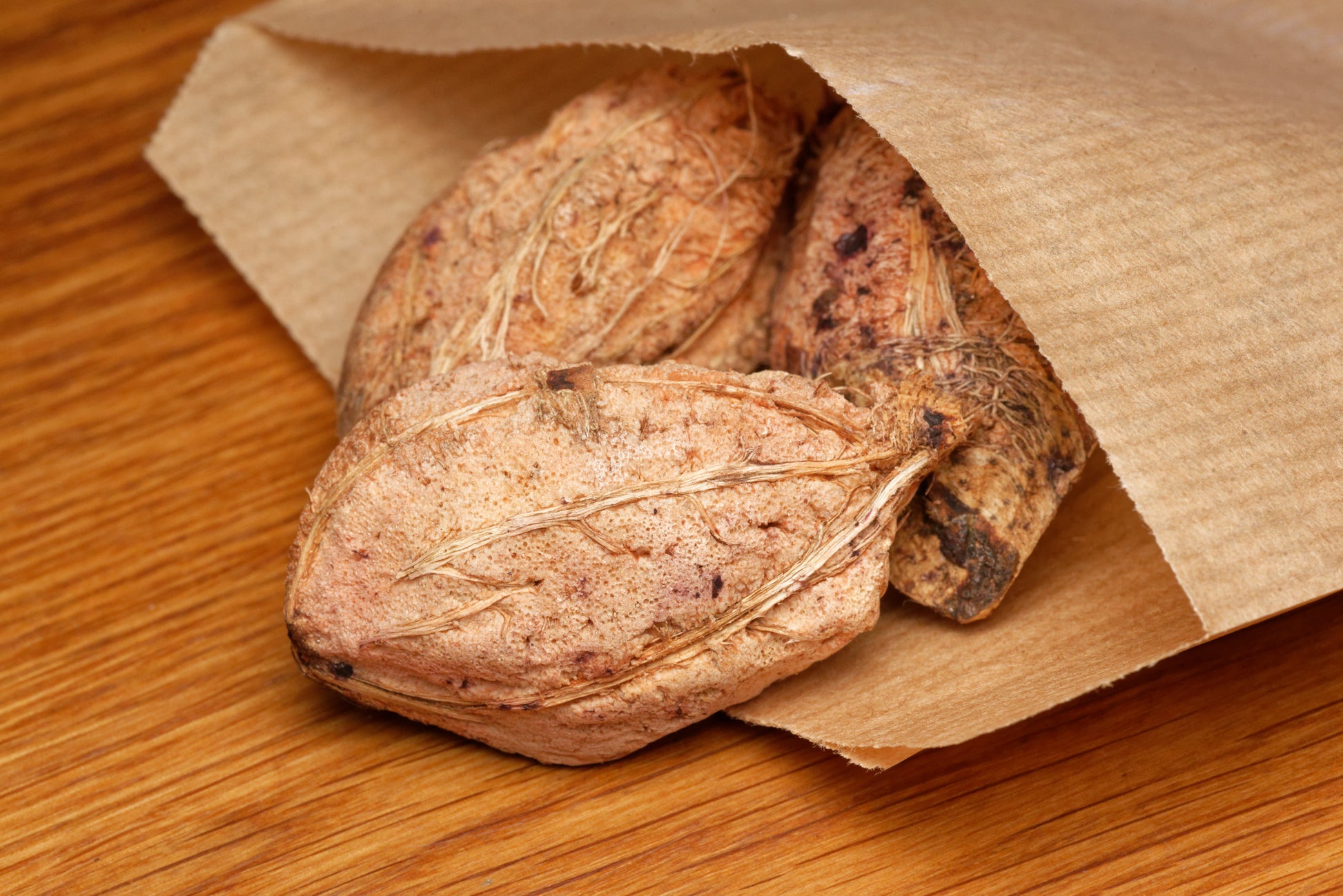
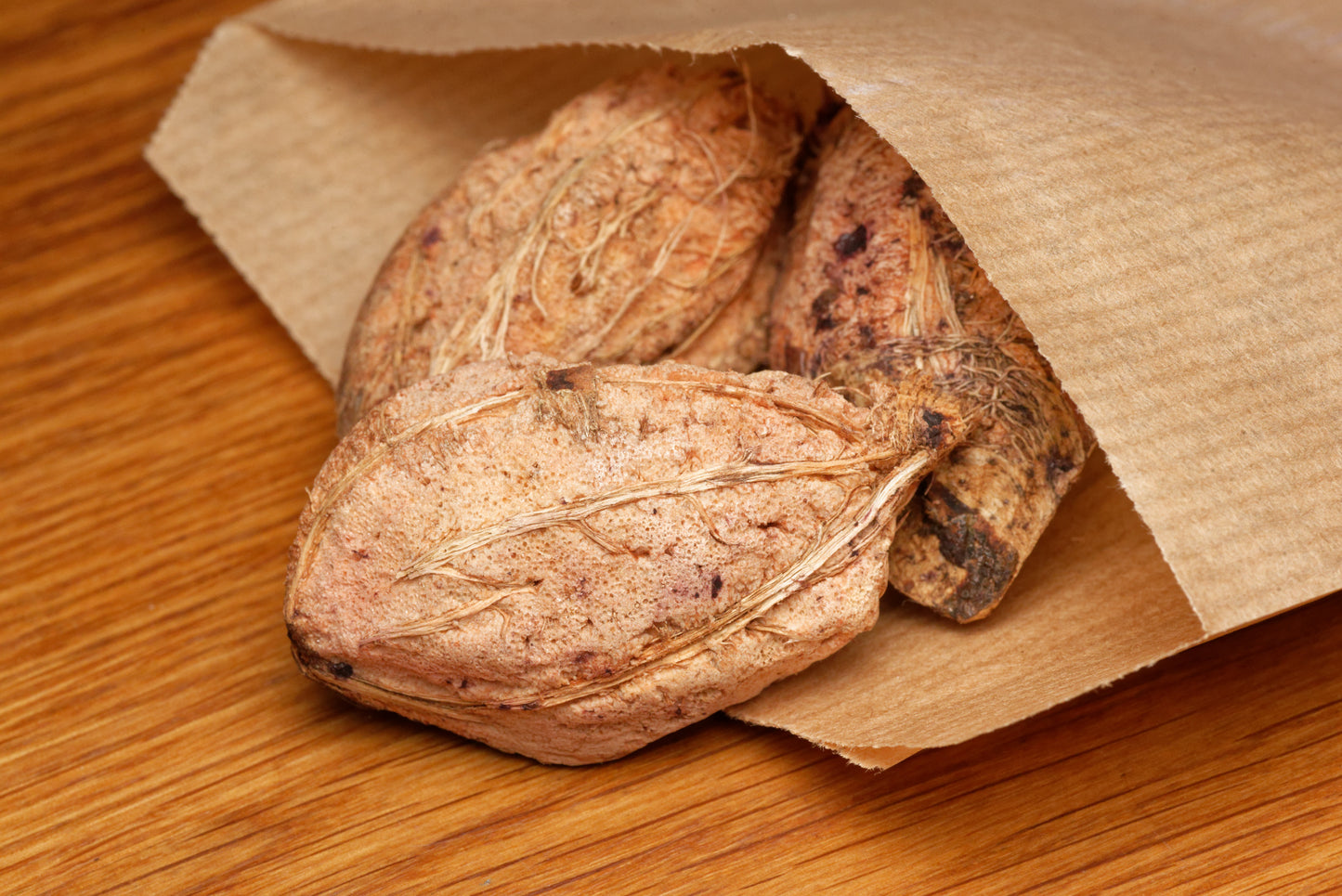
Indian almond (Terminalia catappa) | seeds, 3 pcs.

Indian almond (Terminalia catappa) | seeds, 3 pcs.

Regular price €8,95 EUR
Regular price Sale price €8,95 EUR
Sale Sold out
Taxes included. Shipping calculated at checkout.
Quantity
  • Latin name: Terminalia catappa
  • Danish names: Indisk mandel, katappa, catappa
  • English names: Country almond, Indian almond, Malabar almond, sea almond, tropical almond, beach almond

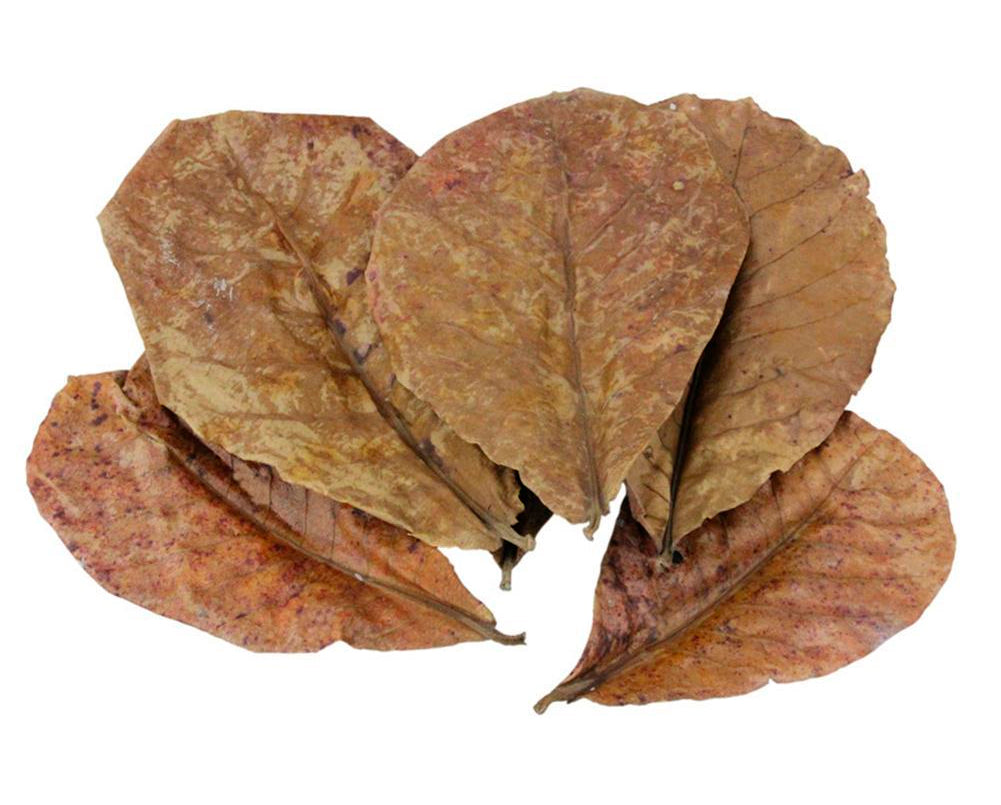
Terminalia catappa is particularly known for its leaves, which are widely used in the aquarium hobby. The leaves are also called catappa leaves. The dried leaves have a multitude of beneficial effects. They act as an antibacterial, inhibit fungal growth, and are also a popular supplementary food for shrimp and snails. We use the dried leaves ourselves for all our insects and in bioactive terrariums.

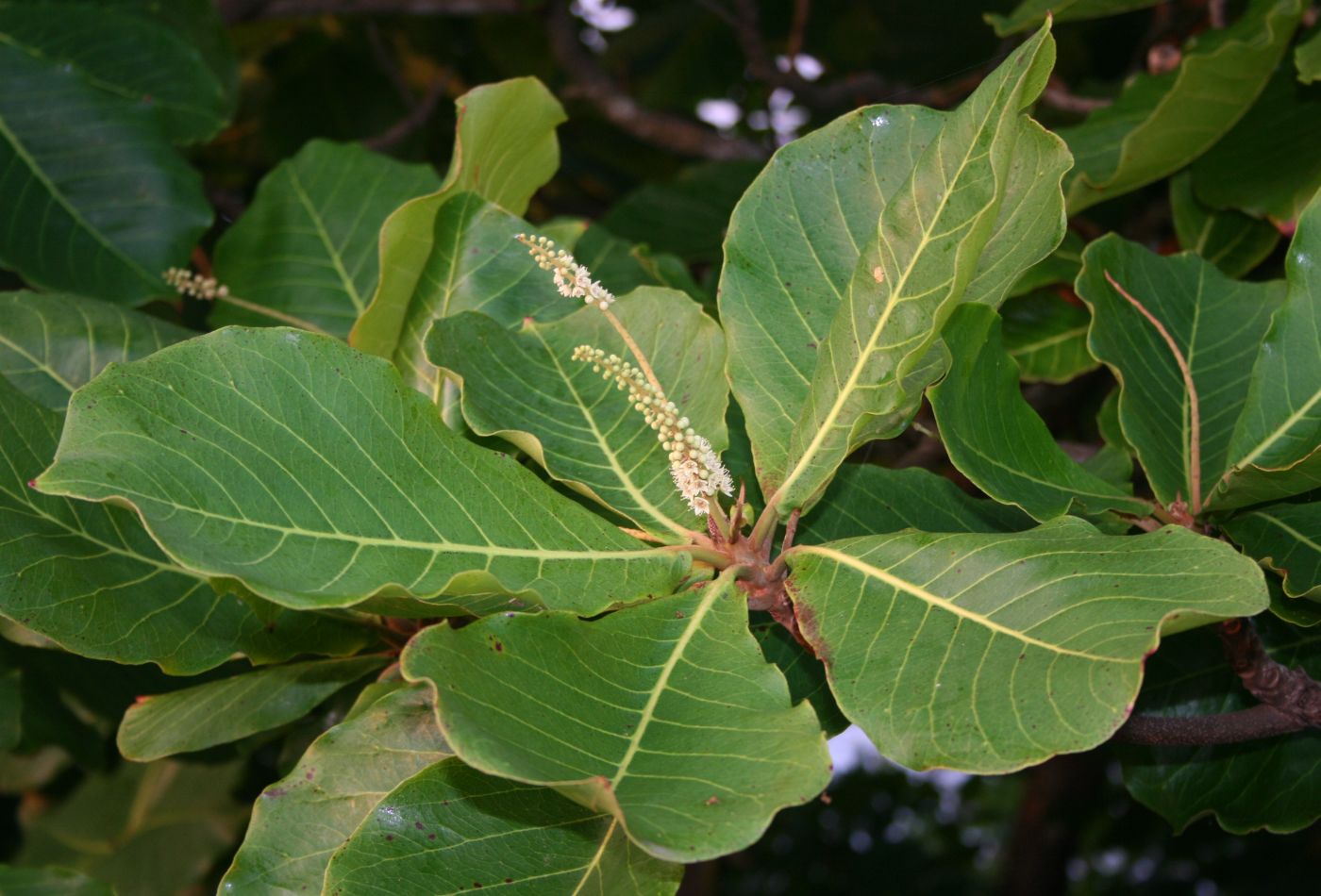
The tree itself is a large, tropical, evergreen tree native to Asia, Australia, and the Pacific Islands. The leaves are large (up to 25 cm), dark green, and leathery. During drought, the leaves wither, turn reddish to brownish, and fall off the tree. The flowers are small and inconspicuous. The fruits are large, teardrop-shaped, and woody. Unripe fruits are green, turning yellow and eventually red when ripe. The fruit contains a single seed, which is very similar to an almond and is also edible. They are, however, difficult to extract whole.

The fruits (and thus seeds) are dispersed by water and therefore float.

- If you wish to become self-sufficient in catappa/katappa leaves, you now have the opportunity.

Seed germination

The seeds can be a bit difficult to germinate as they are surrounded by a hard and tough woody structure. There are 3 methods, but what they have in common is that you start by removing as much of the outer woody shell as possible first. This is best done with a pair of pincers. I use method 2 myself.

1) Soak the seeds/whole fruit in water for 24 hours and then sow them in seed/cactus soil. Alternatively, you can place them in damp sphagnum in a plastic container (the baggie method).

2) Using the pincers, gently squeeze the shell until it opens slightly and you can see the kernel inside. Then soak the seeds/whole fruit in water for 24 hours and sow them in seed/cactus soil. Alternatively, you can place them in damp sphagnum in a plastic container (the baggie method).

3) This is the best, but also the most difficult method. The goal here is to get the kernel out in one piece. This results in the fastest germination, but the kernel breaks very easily. Again, use the pincers to carefully break open the entire shell and extract the kernel whole. Then soak the seeds/whole fruit in water for 24 hours and sow them in seed/cactus soil. Alternatively, you can place them in damp sphagnum in a plastic container (the baggie method).

Childcare

Loves warmth. Must be grown in a pot, as it cannot tolerate frost and must therefore be moved indoors during the winter. Can be moved to a greenhouse or outdoors during the summer.

- Place in bright light to full sun
- Fertilize mildly during the growing season
- Well-draining soil, mixed with sand or perlite
- Needs less water in winter
- Tolerates drying out

Size

35 meters

Difficulty level

Between

NB

Providing the well-known Catappa leaves
View full details