Buy 4 packs of seeds (or more) and get a 10% discount
a Piece of Nature
Loquat (Eriobotrya japonica) | seeds, 5 pcs.
Loquat (Eriobotrya japonica) | seeds, 5 pcs.
Couldn't load pickup availability
TOLERATES LIGHT FROST
- Latin name: Eriobotrya japonica
- Danish names: Japansk mispel, almindelig Japan mispel, mispel
- English names: Loquat
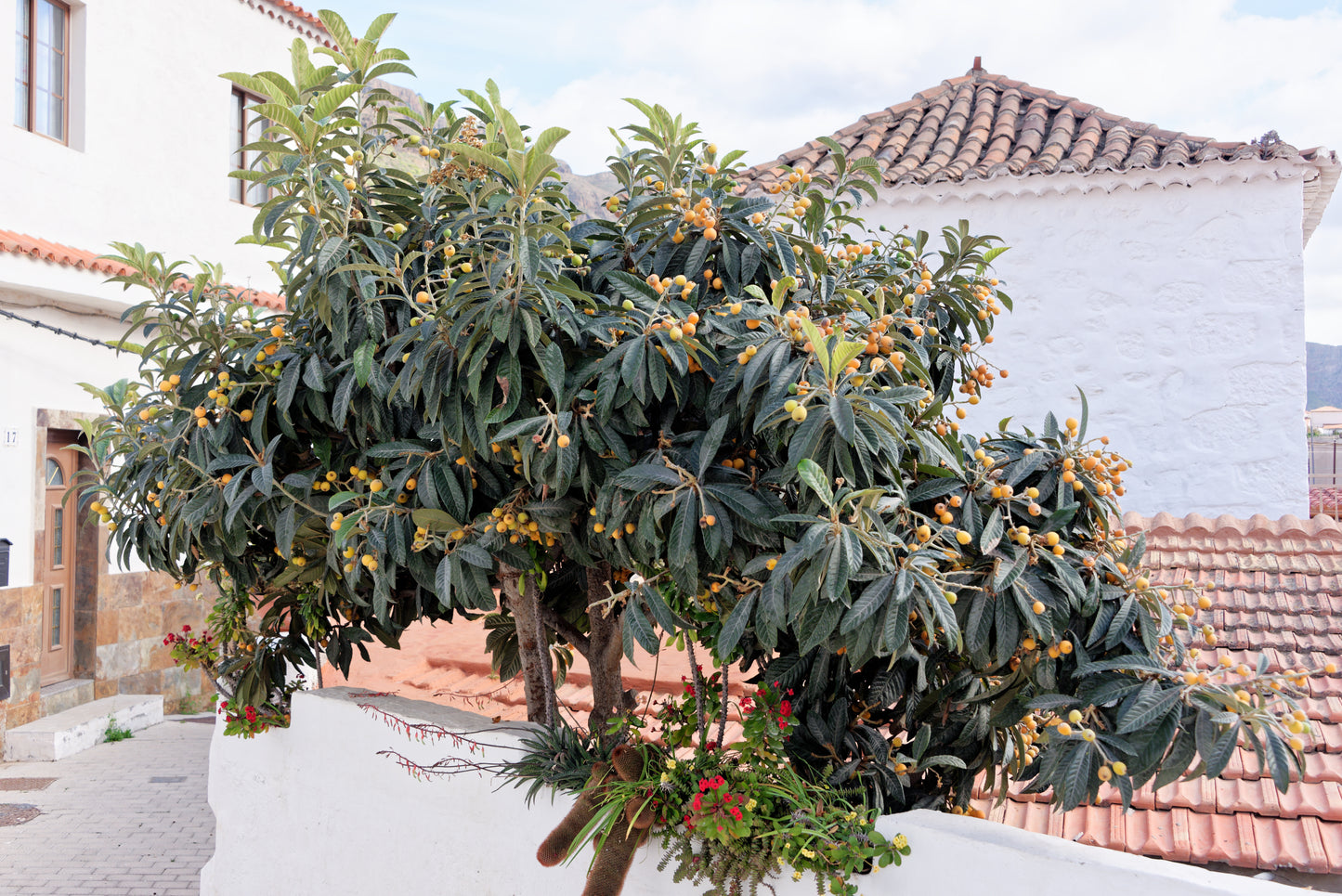
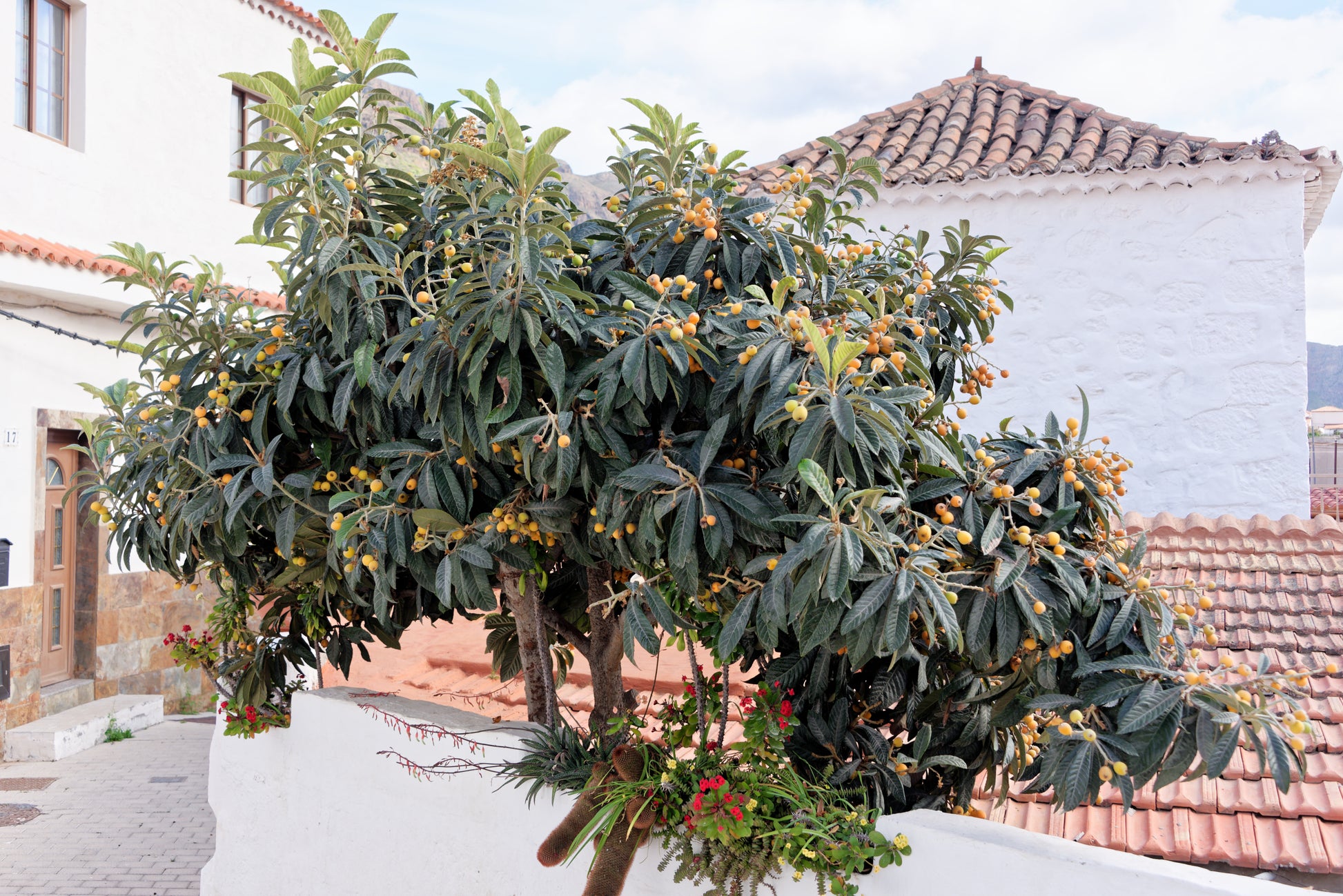
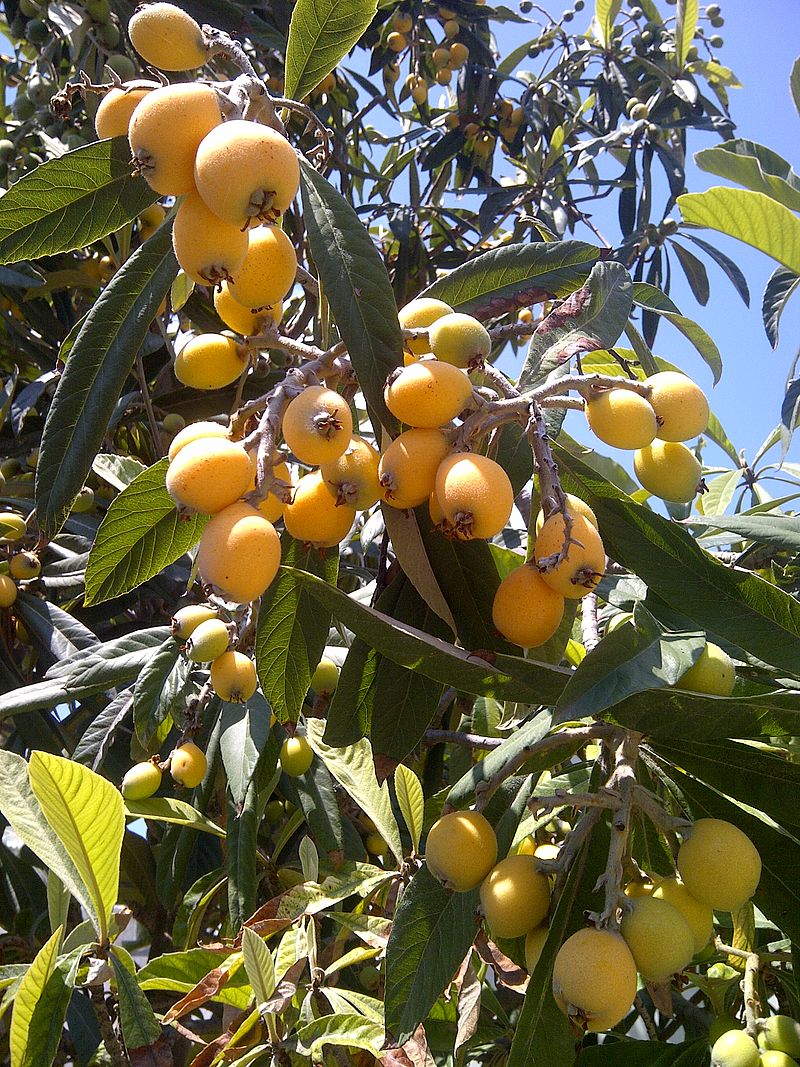
Eriobotrya japonica is an evergreen fruit tree originating from China, but today it is particularly well-known in Japan and other subtropical regions. The tree is valued for its large, leathery, dark green leaves, which provide a lush and exotic appearance year-round.
The plant blooms in autumn or winter with small, creamy-white, and lightly fragrant flowers, which later develop into the familiar yellow-orange fruits. The fruits are juicy and sweet-tart and are used both fresh and in jams, desserts, and drinks.
Cultivation and requirements
Eriobotrya japonica thrives best in full sun to light partial shade and prefers:
- nutrient-rich, well-drained soil
- even watering during the growing season
- sheltered and warm conditions
The plant is not fully frost-hardy, but can tolerate short periods of light frost, especially as a mature plant. In Denmark, it is often grown as a potted plant that can stay outdoors during the summer months and be overwintered in a bright, frost-free location.
Cultivation outdoors in Denmark
In very mild and protected areas, Eriobotrya japonica can be planted out in the garden, especially in coastal areas or in sheltered spots near south-facing walls. A well-drained planting site is essential, as winter moisture is often a greater challenge than cold.
Young plants should be protected from frost for the first few years, and it can be an advantage to cover the plant during cold spells. Older and well-established plants can handle light frost, but harsh winters can damage both leaves and flower buds.
Although the tree can survive outdoors in mild climates, it rarely manages to ripen fruit in Denmark, as flowering often occurs at times when frost can destroy the buds.
Cultivation from seeds
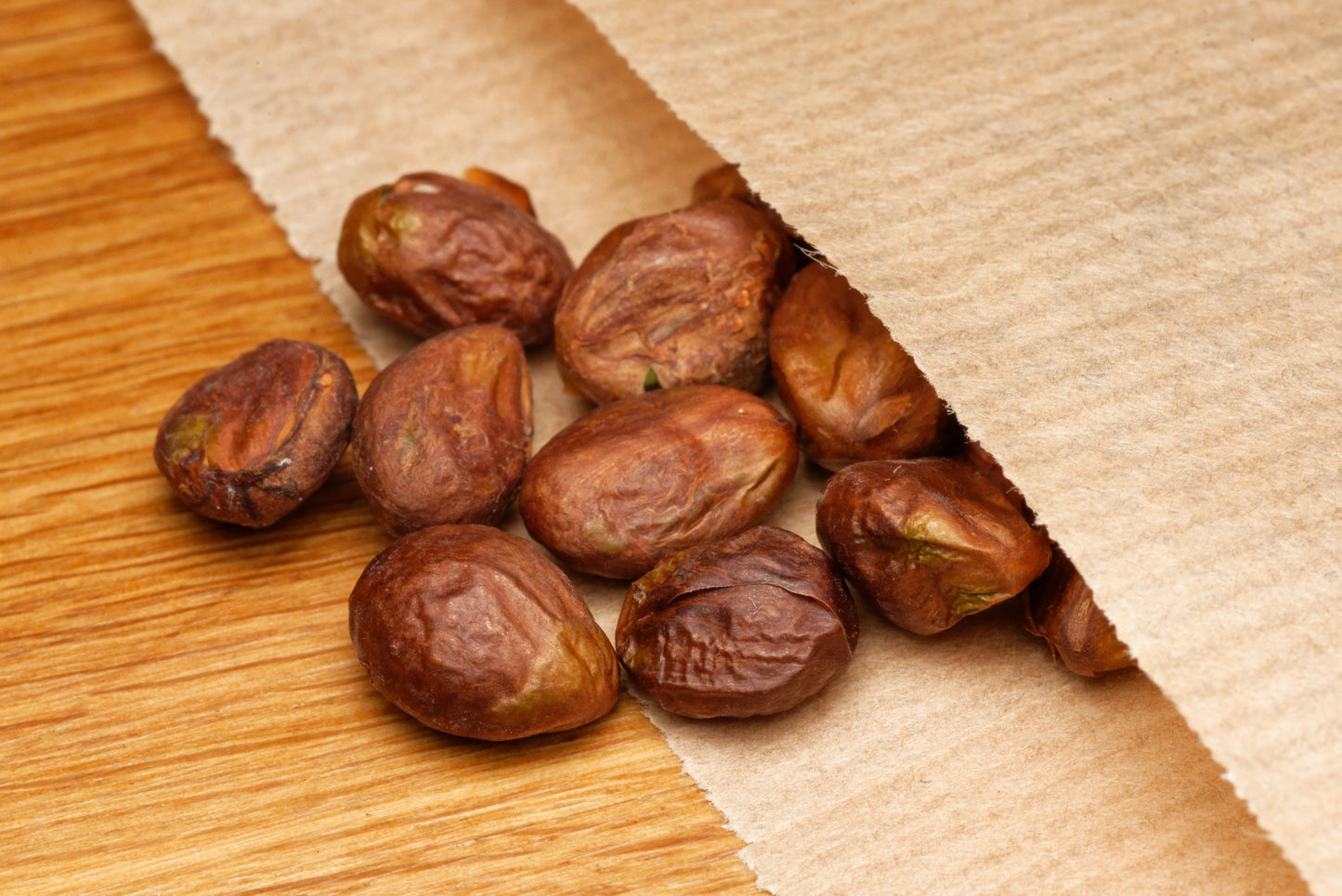
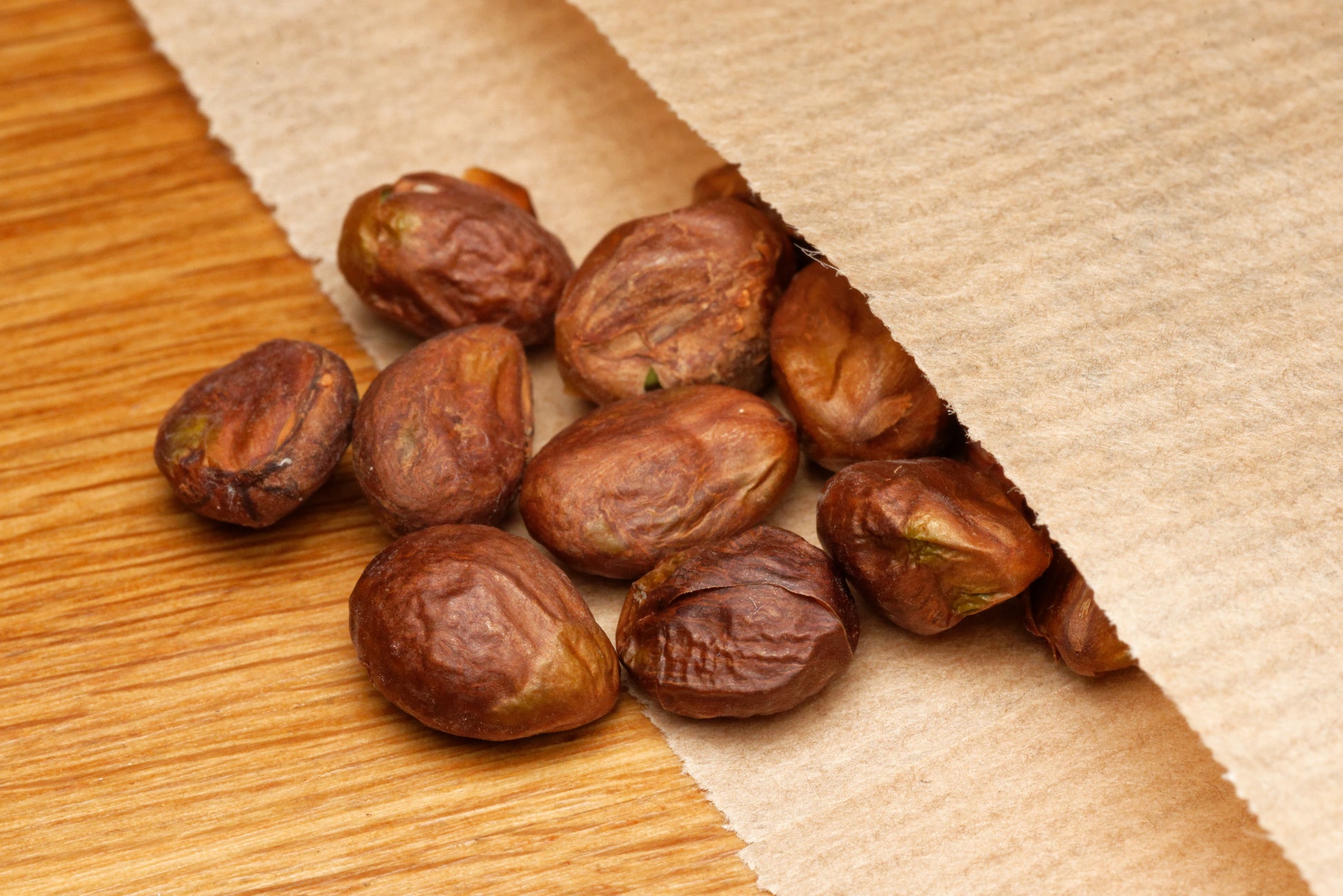
Seeds of Eriobotrya japonica germinate best when fresh, as their viability decreases rapidly if they dry out. For the best results, it is recommended to:
- sow fresh seeds immediately after extraction
- sow in a light, well-drained, and nutrient-rich soil mix
- maintain a temperature of 18–25 °C
- keep the soil evenly moist, but not wet
Germination usually occurs within 2–6 weeks. The young plants grow relatively quickly and develop their characteristic large leaves early on.
Utility and collector value
Eriobotrya japonica is grown as both an ornamental and fruit tree. It is especially the exotic foliage, the evergreen growth, and the decorative fruits that make the plant attractive for cultivation outside its classic growing regions.
For plant enthusiasts, it is an exciting species because it combines an almost tropical appearance with the possibility of cultivation in mild parts of Denmark. Growing from seed provides the opportunity to follow its development from a vigorous seedling to a characterful small tree.
Eriobotrya japonica is an obvious choice for the plant enthusiast who wants to grow an exotic and decorative fruit tree from seed – with beautiful foliage, fragrant flowers, and the potential for one's own fruit under the right conditions.
Seed germination
Seed germination
Childcare
Childcare
Size
Size
3-4 meters
Difficulty level
Difficulty level
Beginner
NB
NB