Buy 4 packs of seeds (or more) and get a 10% discount
a Piece of Nature
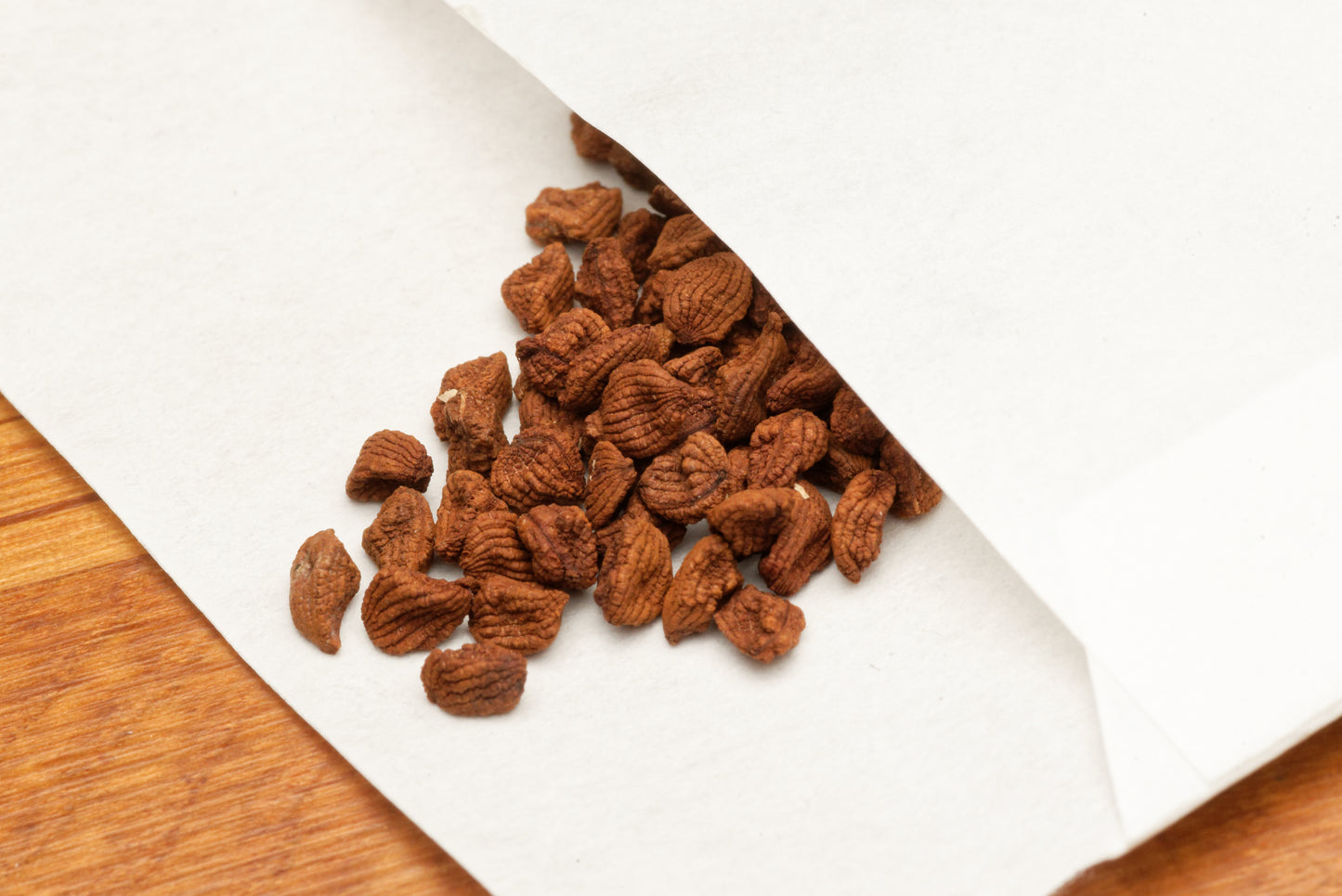
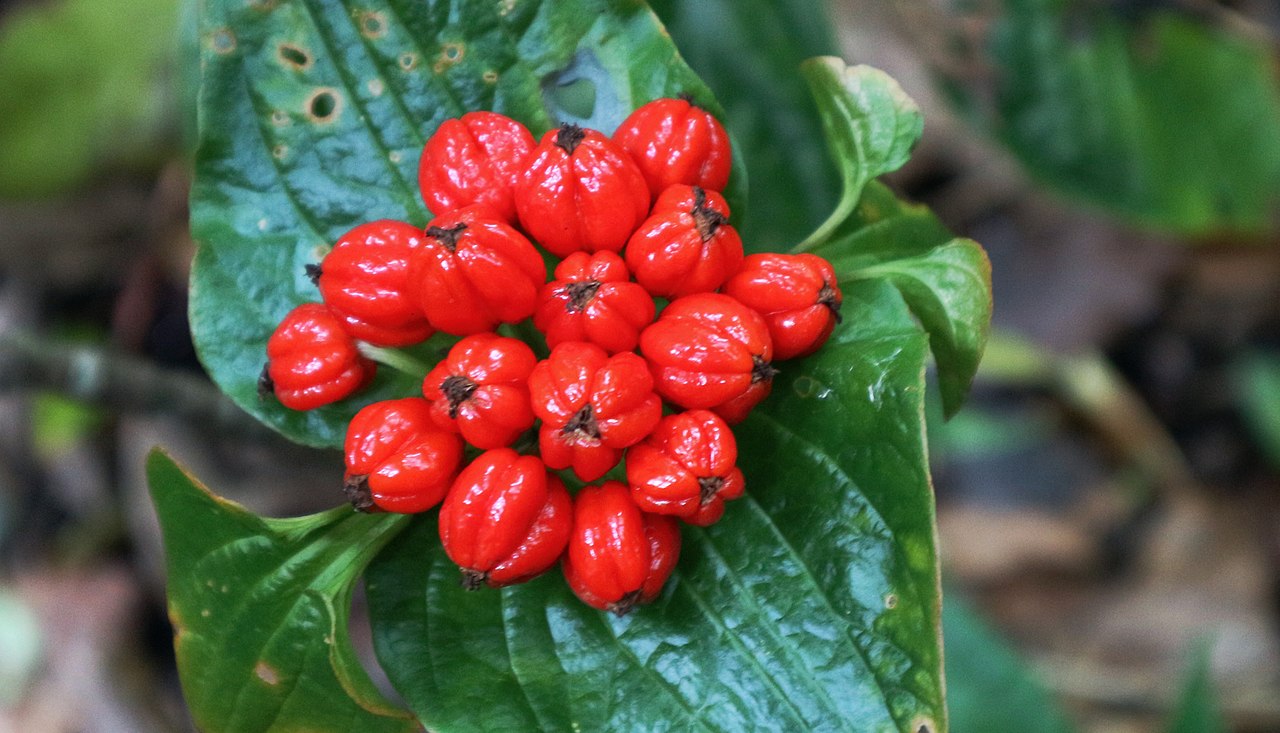
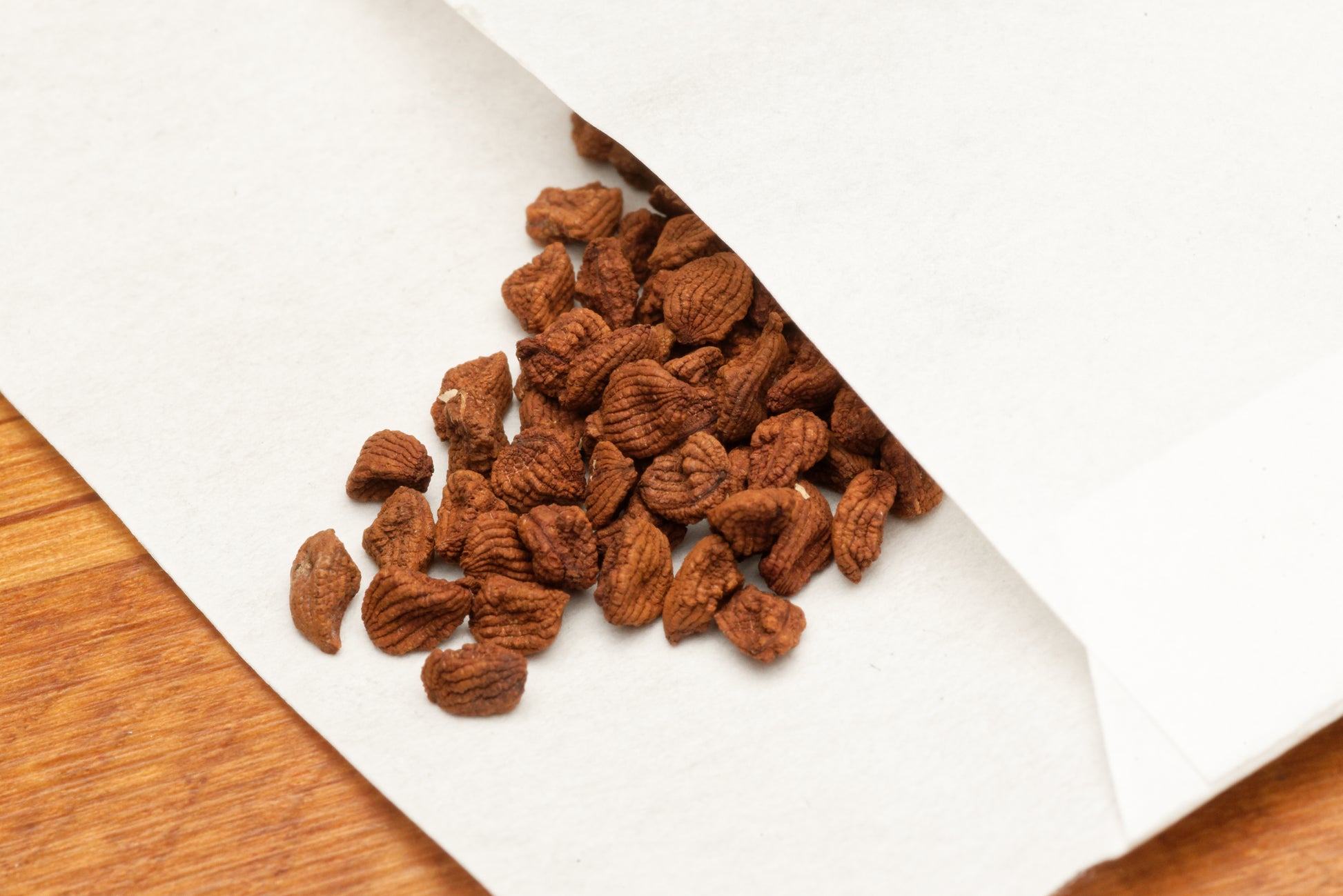
Palm-leaf bat flower (Tacca palmata) | seeds, 10 pcs.
Palm-leaf bat flower (Tacca palmata) | seeds, 10 pcs.
Couldn't load pickup availability
- Latin name: Tacca palmata
-
Danish names: Palm-leaved bat flower
-
English names: Palm-leaved Tacca, palmata bat flower
Tacca palmata is a rarer and botanically interesting species in the Tacca genus, originating from the tropical rainforests of Southeast Asia, including parts of Indonesia, Malaysia, and the Philippines. It clearly distinguishes itself from its better-known relatives such as Tacca chantrieri and Tacca integrifolia by its different leaf growth and more discreet floral appearance.
The leaves are deeply palmately lobed—hence the name palmata—and resemble an open hand or a palm leaf structure in shape. They are broadly spreading, dark green, and form an elegant rosette, which makes the plant decorative even without flowers. The flowers are dark purple to brownish, surrounded by bracts and the characteristic long, thread-like filaments, but they are generally less spectacular than those of other Tacca species and appear more naturally integrated into the plant's overall look.
Tacca palmata prefers partial shade, high humidity, and constantly moist but well-drained soil. It thrives best in tropical conditions and is well-suited for cultivation in a greenhouse, conservatory, or tropical indoor plant environment. The soil mix should be airy and rich in organic matter, e.g., with sphagnum, coconut fiber, and a little perlite. We recommend our Alocasia soil. The temperature should be kept above 15 °C all year round, and the plant appreciates tranquility and stable conditions.
This species is an exciting choice for the experienced plant enthusiast who wants something special and botanically rare. Tacca palmata offers a more subtle and elegant charm than its relatives.
Seed germination
Seed germination
Childcare
Childcare
Size
Size
Over 1 meter
Difficulty level
Difficulty level
Between
NB
NB
Does not like being repotted. Requires warmth and high humidity.