Buy 4 packs of seeds (or more) and get a 10% discount


a Piece of Nature
Soncoya (Annona purpurea) | seeds, 6 pcs.
Soncoya (Annona purpurea) | seeds, 6 pcs.
Couldn't load pickup availability
RARE
- Latin name: Annona purpurea
- Danish names: Soncoya
- English names: Soncoya, sincuya, cabeza de negro
Annona purpurea is an exciting and relatively rare species in the Annona genus from Central America, where it grows in warm tropical areas from southern Mexico to Costa Rica. Known locally as soncoya, the species has been cultivated for centuries for its large, aromatic fruits.
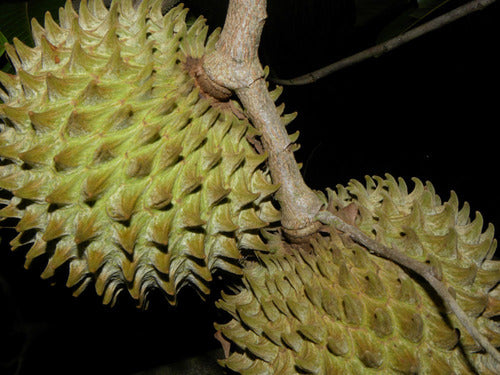
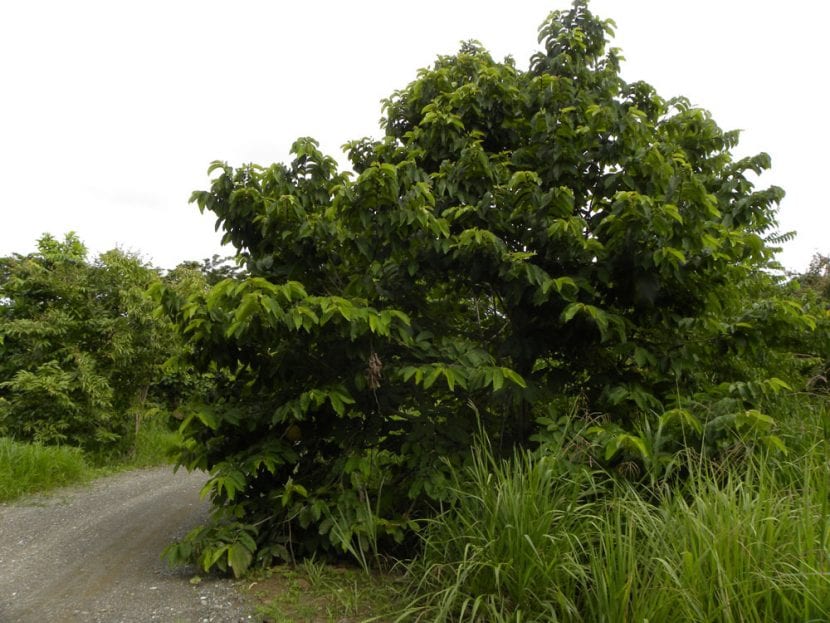
The tree develops large, oval leaves and a broad crown with a lush, tropical appearance. The fruits are among the most distinctive in the genus and can become impressively large with a rough surface and characteristic brownish to purple-hued shades, which have given the species its name.
The flesh is sweet and aromatic with complex tropical flavor notes. Compared to more well-known species such as Annona muricata (soursop), Annona squamosa (sugar apple), and Annona cherimola (cherimoya), Annona purpurea remains relatively rare in cultivation, making it particularly interesting for collectors of exotic fruit trees.
If you are interested in tropical fruit trees from the Annona genus, you can also explore our other selections of Annona species, including both rare collector's items and better-known fruit varieties.
Cultivation and requirements
Annona purpurea thrives best in full sun to light partial shade and prefers:
- Nutrient-rich and well-drained soil
- Consistent moisture during the growing season
- Warm and protected conditions
A well-drained tropical potting mix with high organic content is ideal. During the growing season, it is beneficial to supplement with a mild, organic fertilizer to support healthy growth.
The species is not frost-tolerant and is best grown in Denmark as a container plant that can be kept outdoors during the summer and overwintered in a bright, frost-free location. The temperature should ideally be kept above 15 °C.
In nature, the species experiences both rainy and dry seasons, but young plants grow best under stable conditions with warmth and high humidity.
Cultivation from seeds
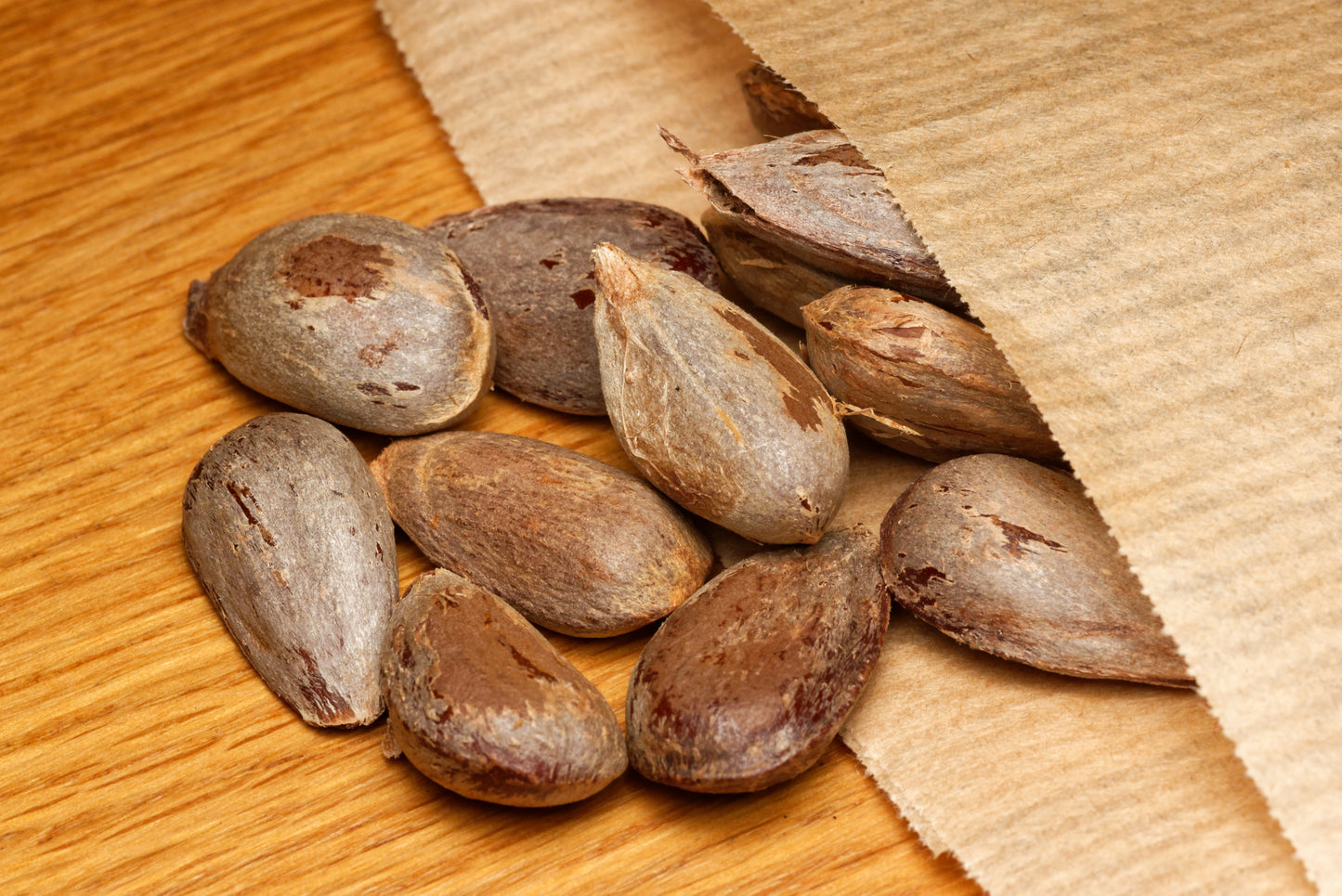
Annona purpurea seeds germinate best under warm conditions. For the best results, we recommend:
- Scarifying the seeds lightly with sandpaper
- Soaking in lukewarm water for 24 hours
- Sowing in a well-drained soil mix
- A temperature of 22–28 °C
- Keeping the soil consistently moist, but not wet
Germination typically occurs within 4–12 weeks but can be very irregular. Under good conditions, young plants quickly develop large leaves.
Utility and collector value
Annona purpurea is grown as a fruit, ornamental, and collector's plant. The species is particularly interesting due to its unusually large fruits and its long history as a local fruit in Central America.
For collectors of tropical fruit trees, this species offers something different from the more common Annona varieties. The combination of rarity, the characteristic purple-toned fruits, and its traditional use as a soncoya makes it an exciting addition to any collection.
Annona purpurea is an obvious choice for the plant enthusiast who wants to grow a rare tropical fruit tree from seed – an exciting Annona with an exotic character, impressive fruits, and high collector value.
Seed germination
Seed germination
Childcare
Childcare
Size
Size
Up to 8 meters high
Difficulty level
Difficulty level
Difficult
NB
NB
Produces large, edible fruits