Buy 4 packs of seeds (or more) and get a 10% discount


a Piece of Nature
Tasmanian tree fern (Dicksonia antarctica) | seeds, approx. 250 pcs.
Tasmanian tree fern (Dicksonia antarctica) | seeds, approx. 250 pcs.
Couldn't load pickup availability
FROST TOLERANT
- Latin name: Dicksonia antarctica
-
Danish names: Tasmansk træbregne, ulden træbregne
- English names: Soft tree fern, Tasmanian tree fern
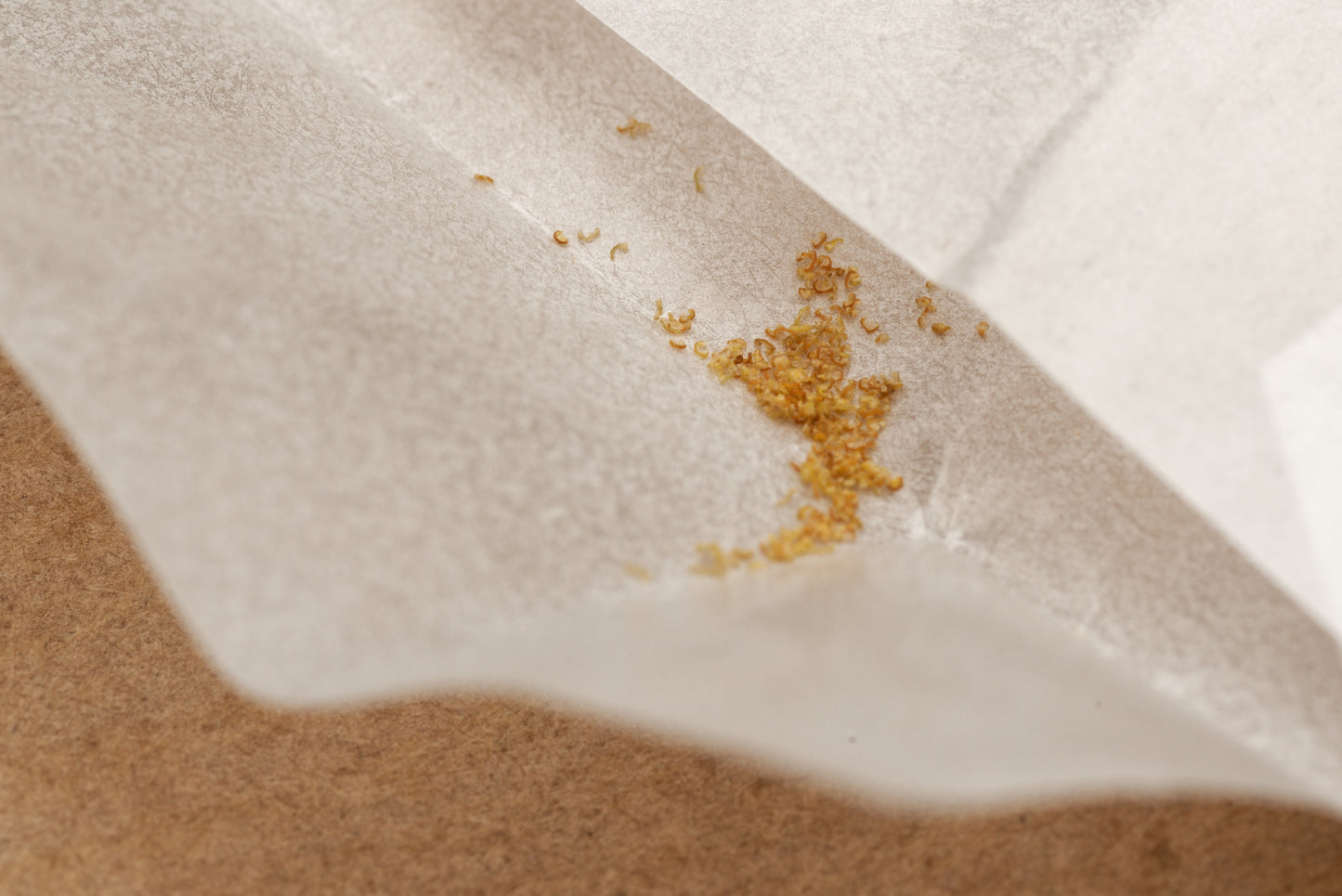
NOTE: The seeds/spores are incredibly small. Almost like dust.
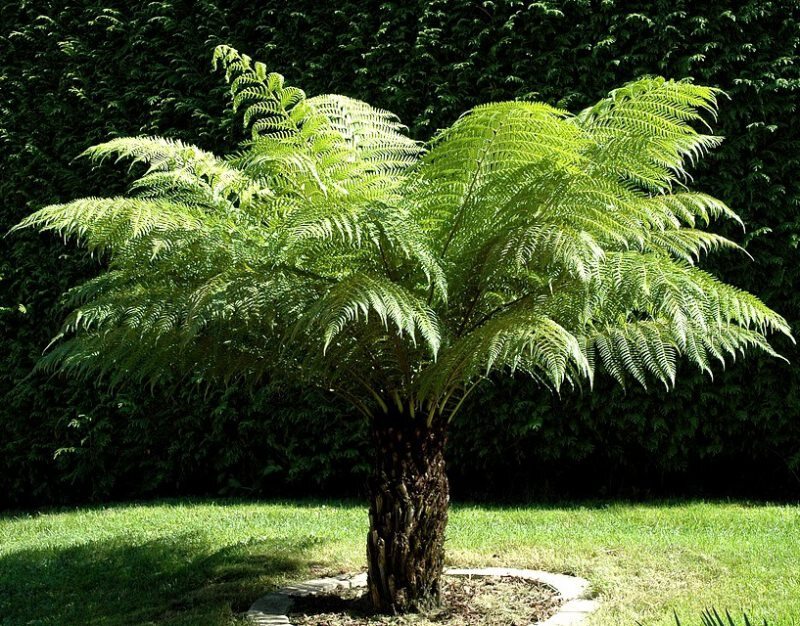
Dicksonia antarctica is the most famous and beloved of all tree ferns – a majestic plant from Tasmania and southern Australia. As the name suggests, it grows naturally in moist, sheltered forests, often along streams or in mountainous areas where the climate is cool and stable. With its fibrous trunk and large, elegant fronds, it creates an aesthetic reminiscent of prehistoric landscapes and tropical rainforests.
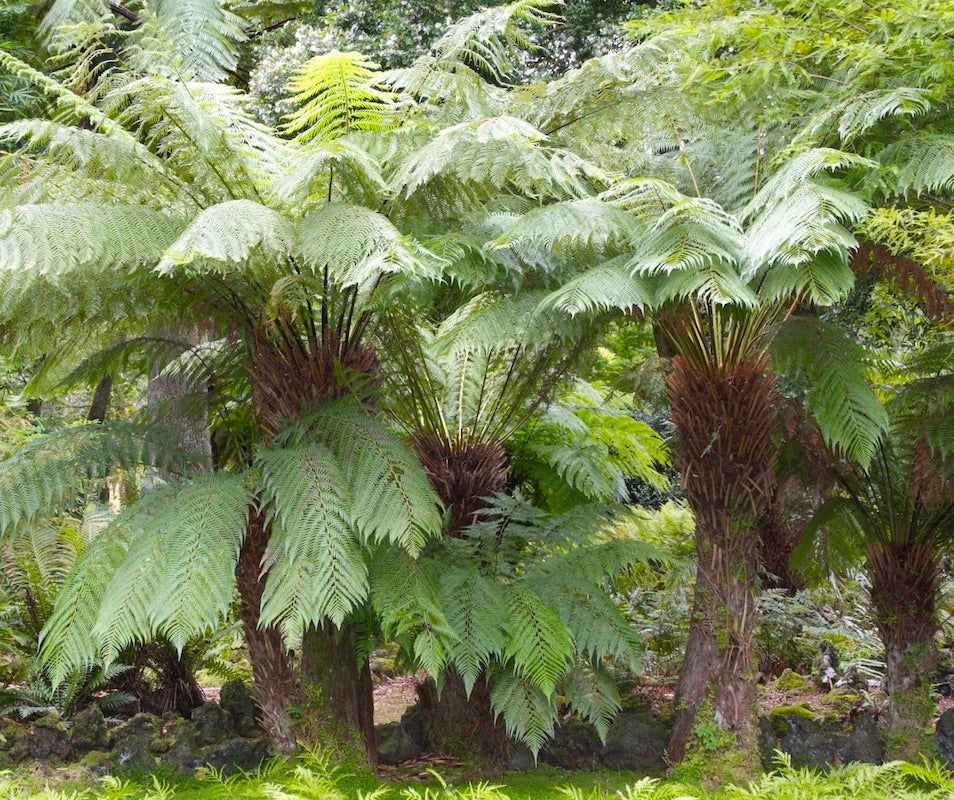
Tree ferns are a unique type of plant: they are true ferns, but with upright trunks consisting of compact plant tissue and layers of fiber. Dicksonia antarctica slowly develops its trunk – the plant can take at least 20 years to reach spore-producing size. At the top, large, feathery fronds unfurl to form a beautiful, lush "fern tree" that can grow up to 3–5 meters tall in the wild.
Tree fern trunks and xaxim:
Tree ferns are particularly well-known in the terrarium and plant hobby for their trunks – often called xaxim – which are used as a natural material in everything from backgrounds to planting blocks. The fibrous trunks are naturally porous and moisture-retaining, and in nature, they serve as a habitat for a wealth of other plants: small ferns, mosses, orchids, and epiphytes.
This same characteristic makes tree fern trunks popular in terrariums, where many plants love to grow directly on them. When Dicksonia antarctica is grown as a live plant, you get not just a decorative plant, but also a natural microhabitat in its own right.
Hardiness and outdoor cultivation:
One of the most remarkable features of Dicksonia antarctica is its hardiness. It can withstand temperatures down to –10 °C, and in several places in England and parts of Northern Europe, it grows outdoors year-round.
In Denmark, it can be grown outdoors in mild regions or in sheltered locations, but it is important to:
- protect the trunk from frost with covering material
- avoid drying out during winter
- ensure the growth point (crown) is kept moist during the growing season
Tree ferns thrive best in partial shade, in moist, humus-rich soil, where they receive shelter and constant moisture for the trunk.
Cultivation from spores:
Like all other ferns, Dicksonia antarctica forms spores and not seeds. Spore propagation is a slow process and requires patience. The spores are sown on moist, sterile peat moss and kept covered and constantly moist at approx. 18–22 °C. It can take months before the first green prothallia are seen, and even more months before small fern fronds are formed.
Utility:
Beyond its use in the terrarium hobby, Dicksonia antarctica is one of the most impressive ornamental plants for shady gardens, courtyards, conservatories, and large container displays. With its dramatic appearance, it creates a tropical, lush environment that few other plants can match.
- Also sometimes available as a plant here
Seed germination
Seed germination
Childcare
Childcare
Size
Size
Up to 5 m tall
Difficulty level
Difficulty level
Between
NB
NB
Can withstand temperatures down to -10°C