
Borregaard
Greenhouse whitefly parasites (Encarsia formosa) | against whiteflies
Greenhouse whitefly parasites (Encarsia formosa) | against whiteflies
Couldn't load pickup availability
Whitefly parasitic wasps (Encarsia formosa) – Natural control of whiteflies
- FREE SHIPPING!
⚠️ Note: The beneficial insects are shipped only once a week (Tuesday). Order by Monday at 08:00 AM – and remember to pick up the package immediately upon arrival.
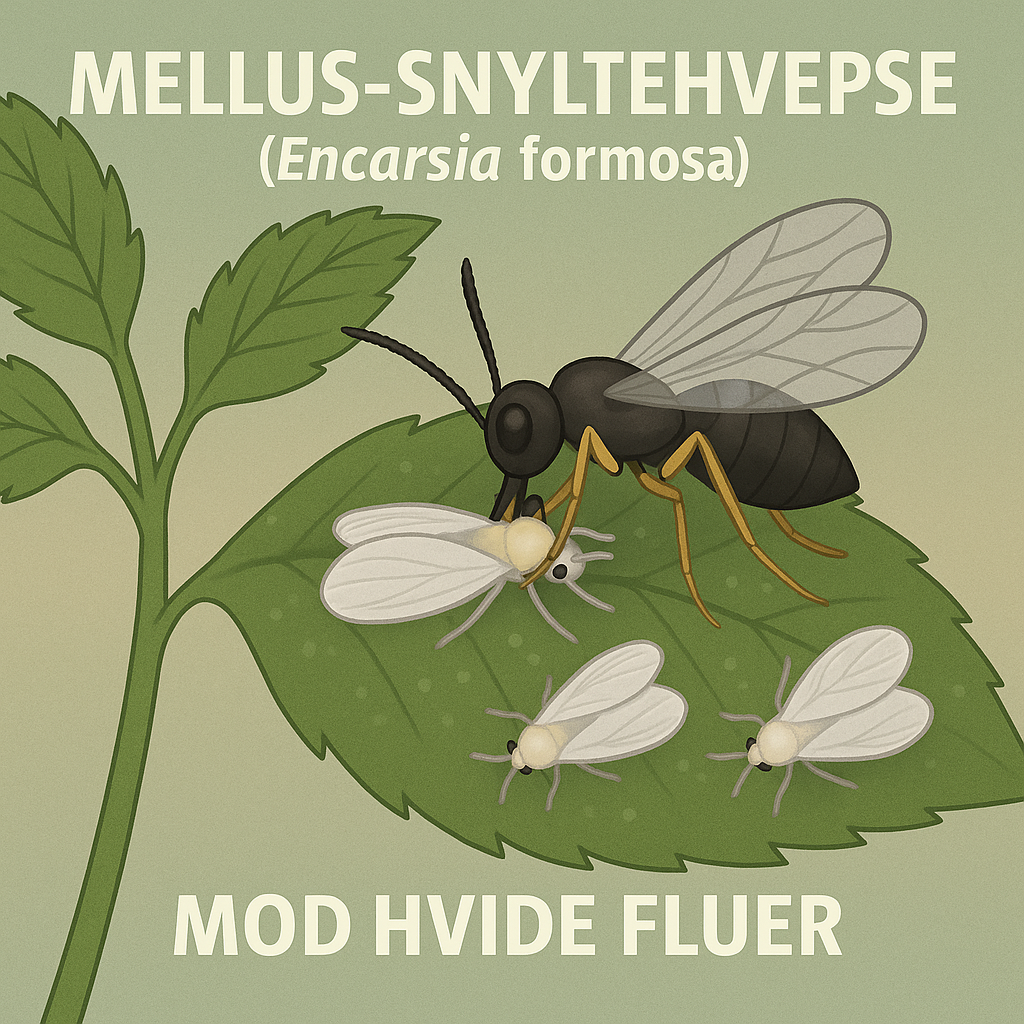
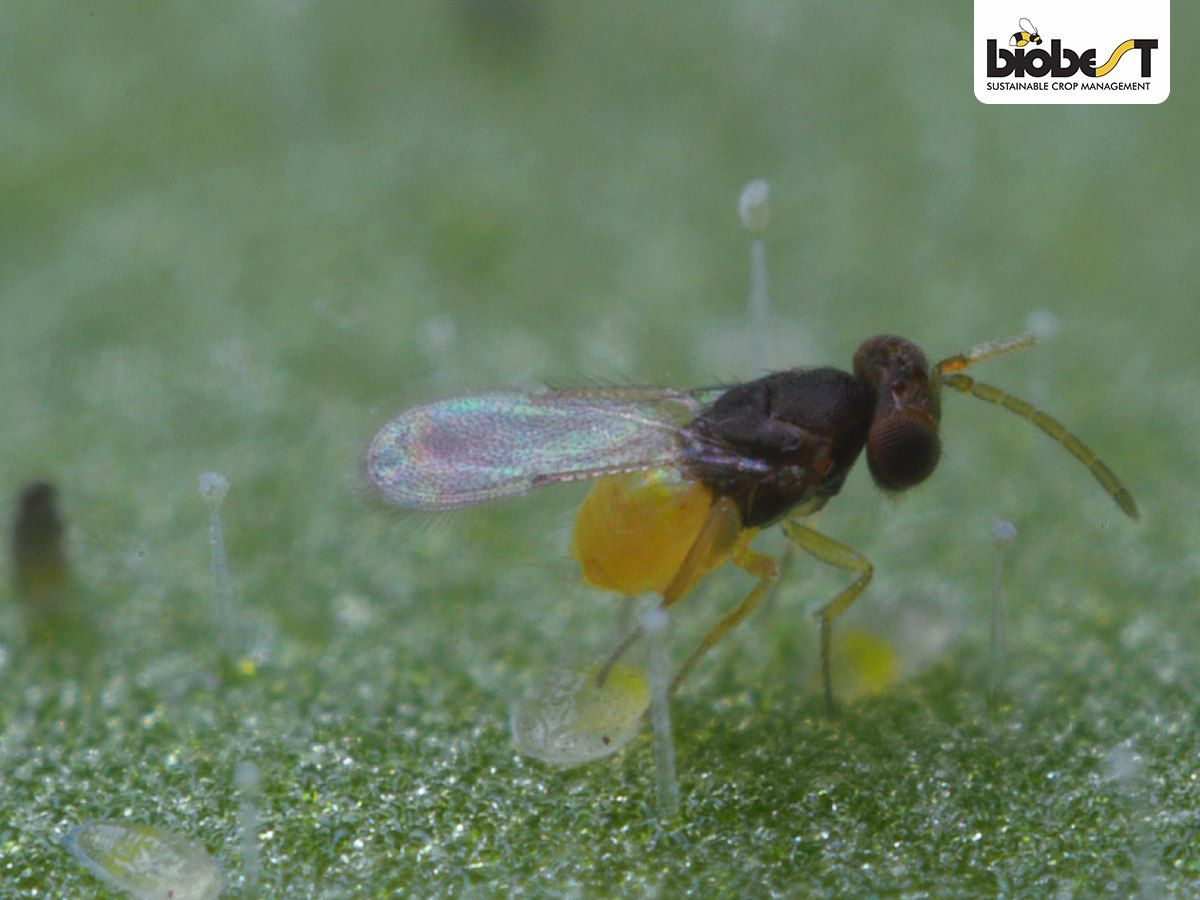
Control whiteflies effectively and completely without chemicals using whitefly parasitic wasps. These small, almost invisible insects (approx. 1 mm) are specialists in parasitizing whitefly larvae and stopping the infestation exactly where it starts.
The product is delivered as cards with pupae, which are hung on the plants. From there, the parasitic wasps hatch gradually during the first week and fly out to find whitefly larvae. Once they have found their prey, they lay an egg in the larva, which dies and later turns black – a clear sign that the control is underway. Over time, new parasitic wasps hatch from the black larvae and continue the work, keeping the population down.
Signs of whiteflies
Whiteflies are small plant-sucking insects that can cause particular problems on houseplants and in the greenhouse. The adult whiteflies are only a few millimeters in size and have white, powdery wings. They typically stay on the underside of the leaves, where eggs and larvae are also found.
A very characteristic sign of whiteflies is the small cloud of white insects that fly up when the plant is touched or the leaves are shaken gently. After a short time, the adult whiteflies usually settle back on the plants.
Whiteflies suck plant sap, and with major infestations, the plants can become weakened. The leaves may begin to yellow, look dull and fall off, while the plant's growth is inhibited.
Like aphids and mealybugs, whiteflies secrete honeydew. Sticky leaves can therefore be one of the first signs of an infestation. Sooty mold can subsequently develop on the honeydew, forming a dark coating on the leaves.
It is also important to examine the underside of the leaves. Here you can find the adult whiteflies as well as the much less conspicuous eggs and larval stages. A magnifying glass can be a great help when assessing the extent of the infestation.
Typical signs of whiteflies are:
- Small white, winged insects on the underside of leaves
- A cloud of small white flies when the plant is touched or shaken
- Small eggs and flat larval stages on the leaf underside
- Sticky leaves due to honeydew
- Black sooty mold on the honeydew
- Yellowish or weakened leaves
- Inhibited growth and leaf fall in case of severe infestations
The earlier an infestation is detected, the easier it is to get under control. Yellow sticky traps are good for both detecting and monitoring adult whiteflies, while the whitefly parasitic wasp (Encarsia formosa) attacks specific larval stages.
After releasing whitefly parasitic wasps, some of the whitefly larvae may eventually turn black. This is not a sign that the infestation is getting worse. On the contrary, the dark larvae are a sign that they have been parasitized by the parasitic wasp and that biological control is underway.
Benefits of whitefly parasitic wasps:
- Effective biological control of whiteflies
- Natural and non-toxic method – gentle on plants, people, and pets
- Long-lasting effect through reproduction in whitefly larvae
- Supplied as practical cards with pupae (500 pcs.)
Application:
- Hang the cards directly on the plants – preferably in the shade to avoid drying out.
- Open the bag with the cards only when you are at the plants, and handle them carefully.
- Requires temperatures above 18 °C to work optimally.
- Adult whiteflies are not attacked, so control can advantageously be supplemented with insecticidal soap or sticky traps to reduce the number of adults.
Follow the control:
- During the first week, the parasitic wasps will hatch from the cards.
- After approx. 14 days, parasitized whitefly larvae turn black and die.
- More black pupae on the plants compared to white larvae means that the control is working.
Tips:
- Combine with poison-free sticky traps to catch adult whiteflies.
- Supplement with Swirskii predatory mites to strengthen the control.
- Insecticidal soap can be used carefully against adult whiteflies without harming the parasitic wasps.
Important information about delivery of beneficial insects
- Order deadline: The manufacturer packs and ships only once a week – every Tuesday. We must receive your order no later than Monday at 08:00 AM.
- Late orders: Orders received after Monday at 08:00 AM will not be shipped until Tuesday of the following week.
- Direct delivery: The beneficial insects are sent directly from the manufacturer to ensure freshness and optimal quality.
- Delivery method: All orders are always delivered to a Bring parcel shop/parcel locker. The system automatically chooses the one closest to your address, even if you choose home delivery at checkout.
- Quick pickup: The beneficial insects should be picked up as soon as possible and used immediately after receipt to ensure the best possible effect.
Are you in doubt about which beneficial insect to choose?
Many pests can look alike, but are best controlled with different beneficial insects. If you are unsure whether you have thrips, aphids, spider mites, or another pest, you are always welcome to contact us.
You can also read our comprehensive guide to biological pest control, where we review the most common pests, how to recognize them, and which beneficial insects provide the best results.
We are happy to help you find the right solution so that you get the most effective and natural control.