Buy 4 packs of seeds (or more) and get a 10% discount


a Piece of Nature
Miracle berry (Synsepalum dulcificum) | seeds, 10 pcs.
Miracle berry (Synsepalum dulcificum) | seeds, 10 pcs.
Couldn't load pickup availability
RARE
- Latin name: Synsepalum dulcificum
- Danish names: Mirakelbær, mirakelfrugt
- English names: Miracle fruit, miracle berry
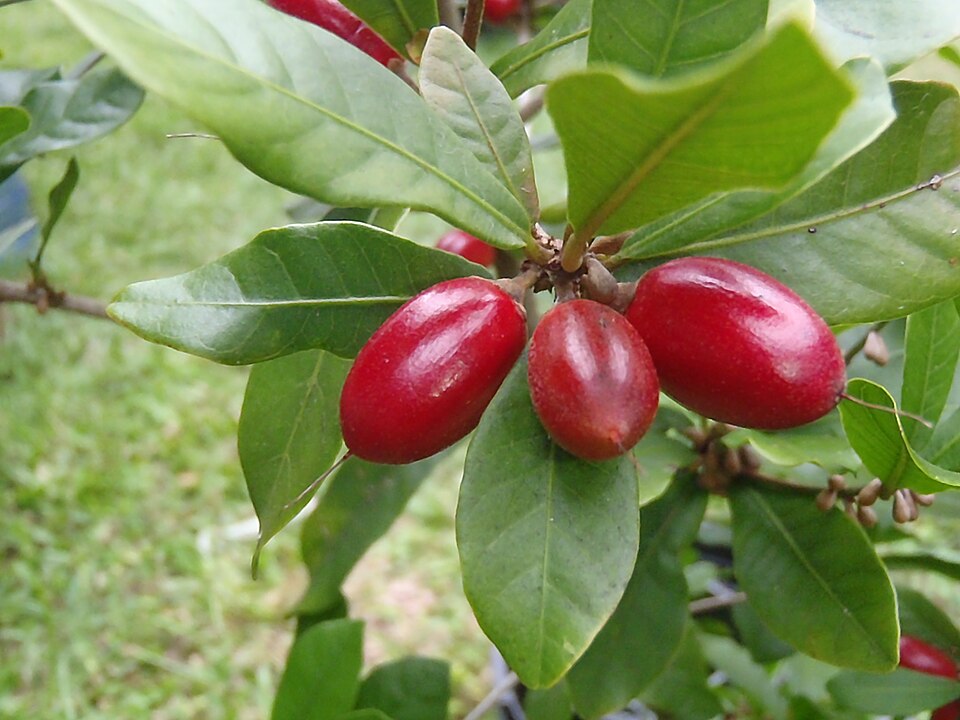
Synsepalum dulcificum is a fascinating evergreen shrub from tropical West and West-Central Africa. The plant belongs to the sapodilla family (Sapotaceae) and is particularly famous for its small red berries, which possess one of the most unusual properties in the plant kingdom: after eating the pulp, sour foods can suddenly be perceived as sweet.
This phenomenon is caused by the protein miraculin, which is found in the fruit pulp. Miraculin is not particularly sweet itself, but it binds to the tongue's sweet receptors. When the mouth is subsequently exposed to acid, the receptors' response is altered, causing, for example, lemons and other sour foods to temporarily taste surprisingly sweet. The effect fades over time and does not change the actual sugar content of the food.
The plant develops glossy, dark green leaves and small flowers, which are followed by oblong, bright red berries. It grows relatively slowly and remains a manageable shrub, making it suitable as an exotic pot and collector's plant.
Miracle berries have been known and used locally in West Africa long before the plant became known in Europe. Today, it is grown worldwide as both a fruit plant and a botanical curiosity, and the opportunity to experience the berries' unusual effect for yourself makes it an especially exciting plant to have in your collection.
Cultivation and requirements
Synsepalum dulcificum is tropical and thrives best in warm, humid, and bright conditions. It prefers:
- A bright location with filtered sunlight or light partial shade
- Acidic, humus-rich, and well-drained soil
- Consistent moisture without standing water
- High humidity
- Warm and stable temperatures
The soil's acidity is particularly important. Miracle berries do not thrive well in calcareous (alkaline) soil and should be grown in an acidic soil mix, much like one would use for rhododendrons and other acid-loving plants.
In Denmark, the plant is grown as a houseplant, in a heated greenhouse, or a conservatory. It cannot tolerate frost and should be kept warm all year round. In the summer, it can be placed outdoors in a warm and sheltered spot, but it should be moved back inside before the nights turn cold.
Cultivation from seeds
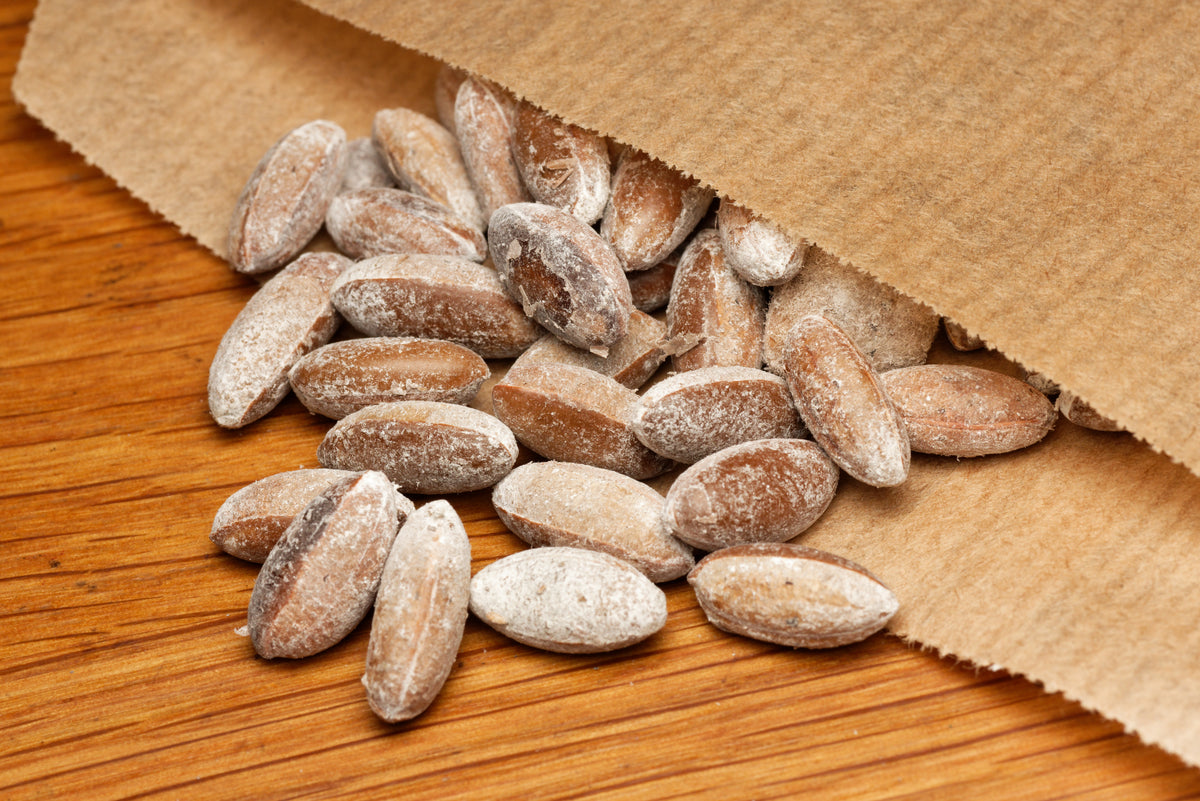
Seeds of Synsepalum dulcificum should be sown as fresh as possible, as germination ability decreases with prolonged storage.
- Sow the seeds in an acidic and well-drained soil mix (alternatively, use the bag-sprouting method)
- Cover them lightly with soil
- Keep the temperature around 24–28 °C
- Keep the soil consistently moist, but not wet
- Ensure high humidity during germination
Germination can take several weeks and requires stable warm conditions. After sprouting, the young plants should continue to be kept warm and protected from both drying out and lime-rich water. It is therefore recommended to water with rainwater.
The plant grows relatively slowly, and cultivation from seed therefore requires some patience. In return, you get the opportunity to follow the entire development from seed to the small tropical shrub, which can later produce its famous red miracle berries.
Utility and collector value
Few fruit plants can demonstrate their special properties as clearly as Synsepalum dulcificum. The combination of a decorative tropical shrub, edible red berries, and the unusual protein miraculin makes the species interesting for collectors, fruit enthusiasts, and anyone interested in unusual useful plants.
It is, in particular, the experience of tasting a sour food after a ripe miracle berry that has made the plant famous worldwide. A lemon is still a lemon – but the taste experience can be something completely different for a short period.
Synsepalum dulcificum is therefore an obvious choice for the plant enthusiast who wants to grow something out of the ordinary: a beautiful West African fruit plant with one of the plant kingdom's most remarkable properties. See also our collection of seeds from other exotic plants.
Seed germination
Seed germination
Childcare
Childcare
Size
Size
Up to 6 meters high
Difficulty level
Difficulty level
Between
NB
NB
The fruits are known for being able to make sour things taste sweet.