a Piece of Nature
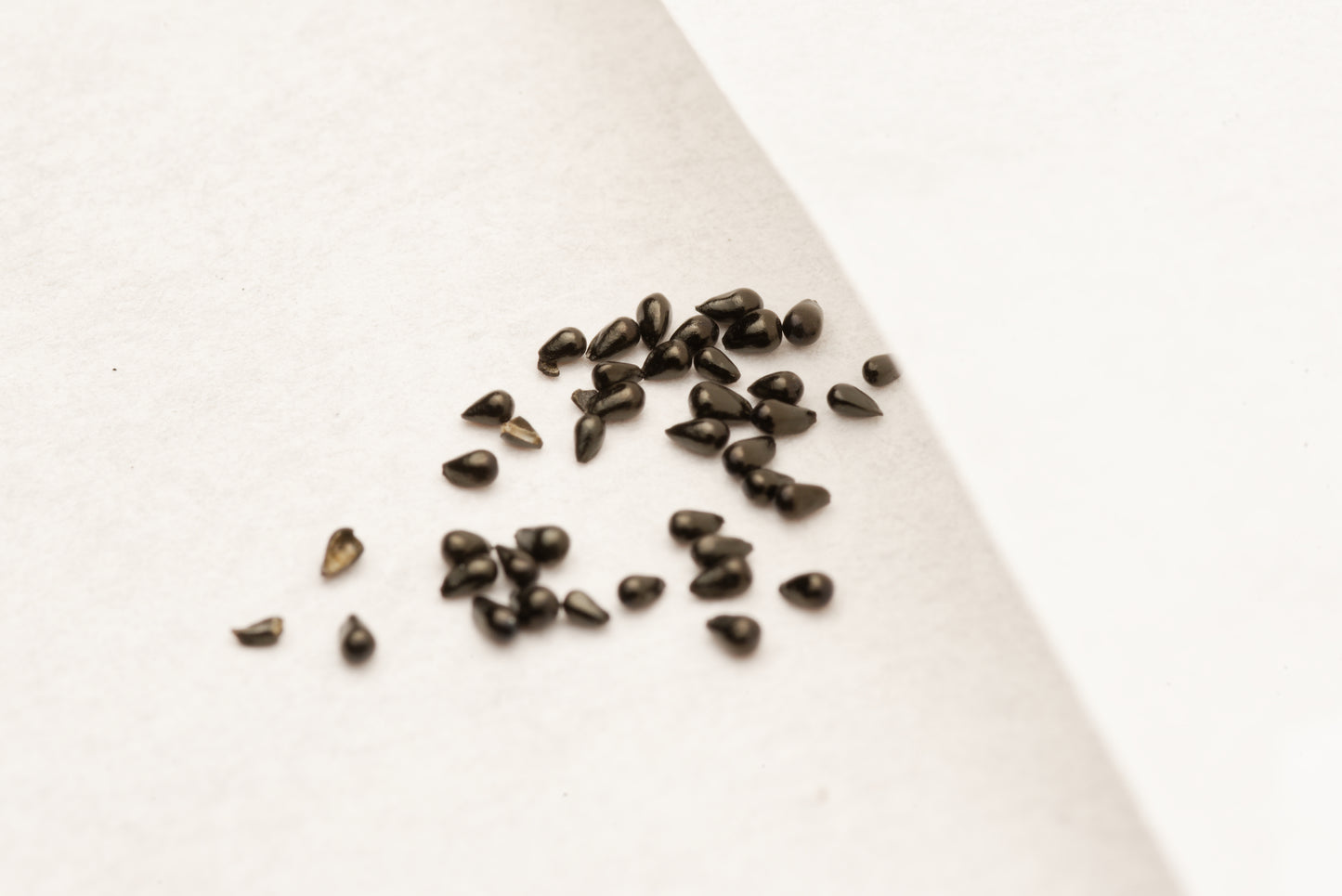
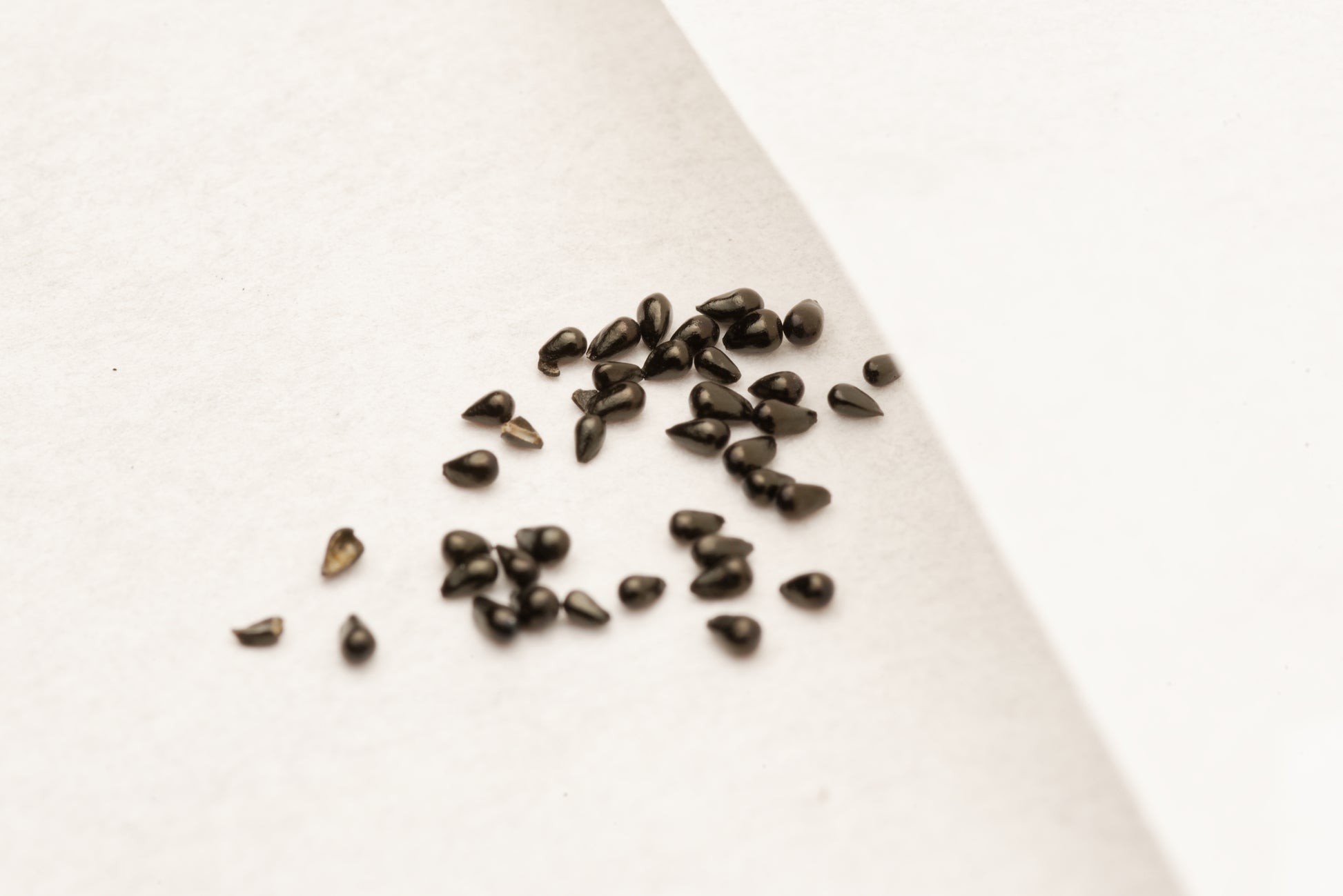
Venus flytrap (Dionaea muscipula) (GIANT mix) | seeds, 10 pcs.
Venus flytrap (Dionaea muscipula) (GIANT mix) | seeds, 10 pcs.
Couldn't load pickup availability
- Latin name: Dionaea muscipula
- Danish names: Venus fluefanger, fluefanger
- English names: Venus flytrap, flytrap
NOTE: This is a mix of seeds from various GIANT varieties. This means varieties that produce extra-large traps.
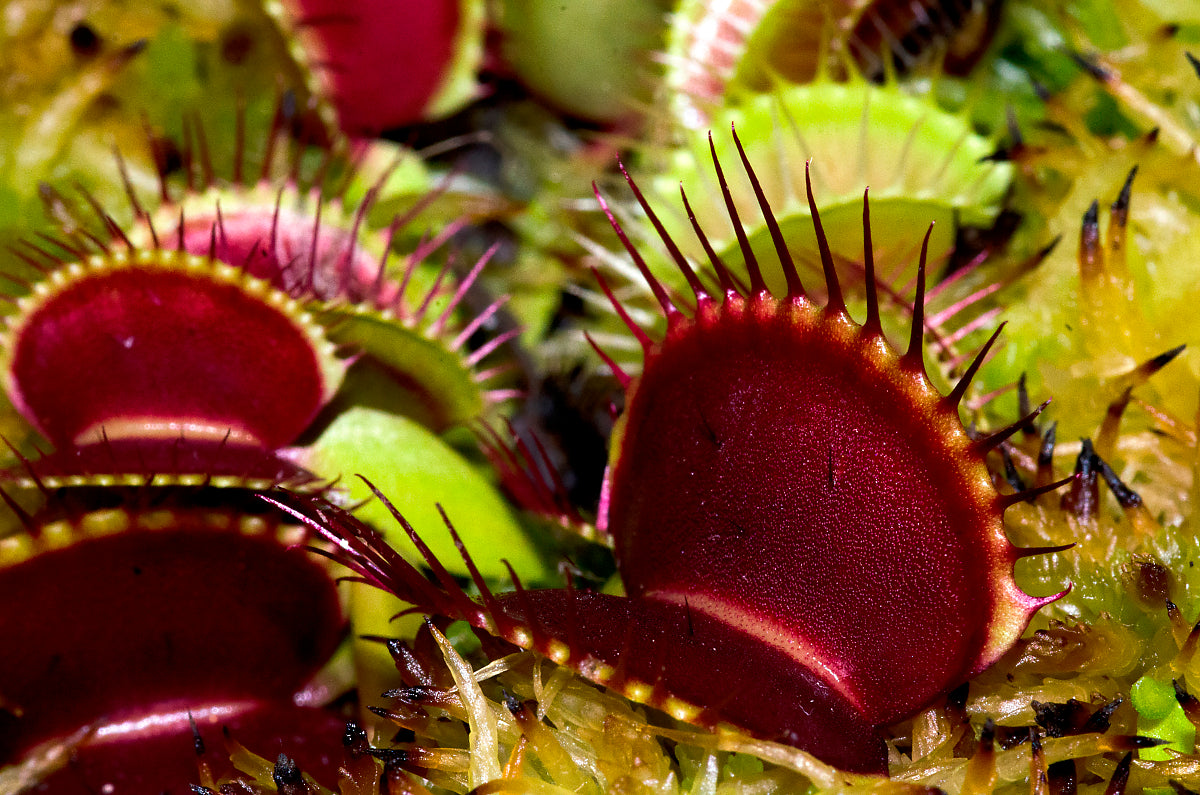
Dionaea muscipula is undoubtedly the most iconic of all carnivorous plants – a botanical sensation that fascinates children, collectors, and scientists alike. It originally hails from a small area in North and South Carolina in the USA, where it grows in nutrient-poor, damp bogs. To survive in these lean environments, it has developed a spectacular strategy: catching and digesting insects.
The plant forms a low rosette of green leaves, with the outermost ends forming traps – two hinged lobes with fine, tooth-like edges. Small sensory hairs sit on the inside of the trap: when an insect touches them twice in quick succession, the trap snaps shut in a fraction of a second. Digestive enzymes are secreted inside the trap, which dissolve the prey and provide the plant with the nutrients the soil lacks.
Cultivation and requirements:
Dionaea muscipula requires damp, nutrient-poor soil and plenty of light. It thrives best in pure sphagnum moss or a mixture of sphagnum and perlite, or our specialized soil for carnivorous plants – never regular potting soil, as nutrients can harm the roots. Use only rainwater, distilled water, or demineralized water, as it does not tolerate lime.
The plant should be kept brightly lit, preferably in full sun, and the soil must be kept constantly moist, but not waterlogged. In the summer, it can benefit from being kept outdoors, where it can catch insects itself. In Denmark, it must overwinter in a cool spot, around 5–10 °C, where it goes dormant and partially withers – a natural part of its life cycle.
Cultivation from seeds:
The seeds should be sown superficially on damp, sterile sphagnum moss and must not be covered with soil. They require high humidity and light to germinate and should be kept at 22–28 °C. Germination typically takes 4–8 weeks. The small plants are delicate at first, but they soon develop the characteristic traps, which gradually grow larger with each growing season.
Utility:
Although Dionaea muscipula has no traditional utility, it is one of the most popular carnivorous plants in the world – both as a collector's plant and as an educational tool. It is often used to spark interest in botany and evolution, and its rapid movement mechanism is among the most fascinating in the plant kingdom.
Dionaea muscipula is a living classic – a plant that combines science, aesthetics, and nature's ingenious adaptability in one single pot.
Countless shapes and colors:
Since Dionaea muscipula first became truly popular in cultivation, a wealth of exciting cultivars and varieties has emerged. Some have deep red traps and leaves (‘Akai Ryu’), others have unusually large traps (‘B52’) or toothless trap edges (‘Fused Tooth’, ‘Cup Trap’). There are even miniature forms and clones with spiral-shaped traps or unique color patterns.
New varieties are continuously emerging through selection and tissue culture, making Dionaea muscipula an infinitely varied collector's plant, where each clone can have its own distinct expression.
- Read our article on the care of the Venus flytrap (Dionaea muscipula)
REMEMBER the right soil: Carnivorous plant soil
Size
Size
10 cm
Childcare
Childcare
Difficulty level
Difficulty level
Between
Suitable for
Suitable for
NB
NB
Must be watered with rainwater or demineralized water